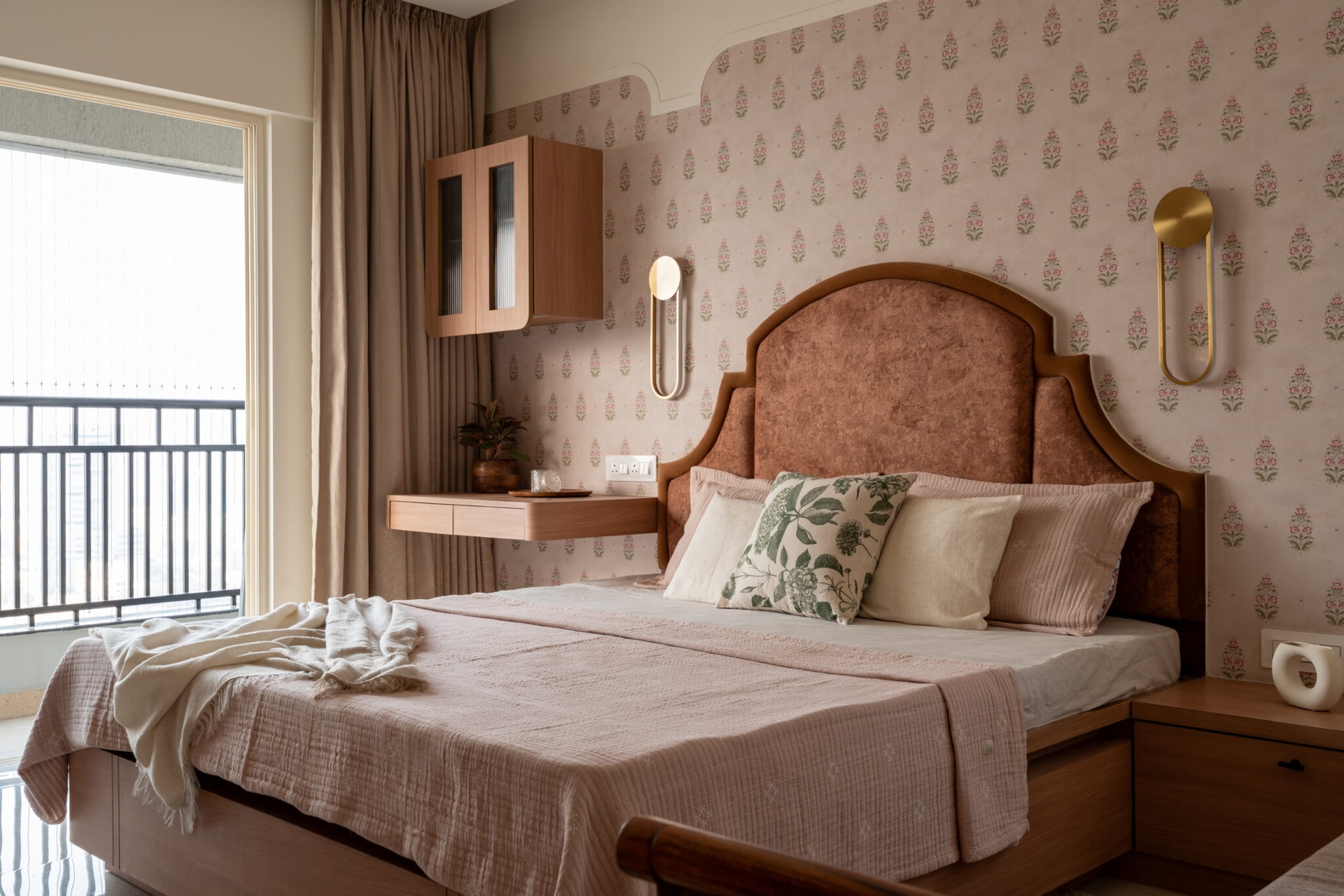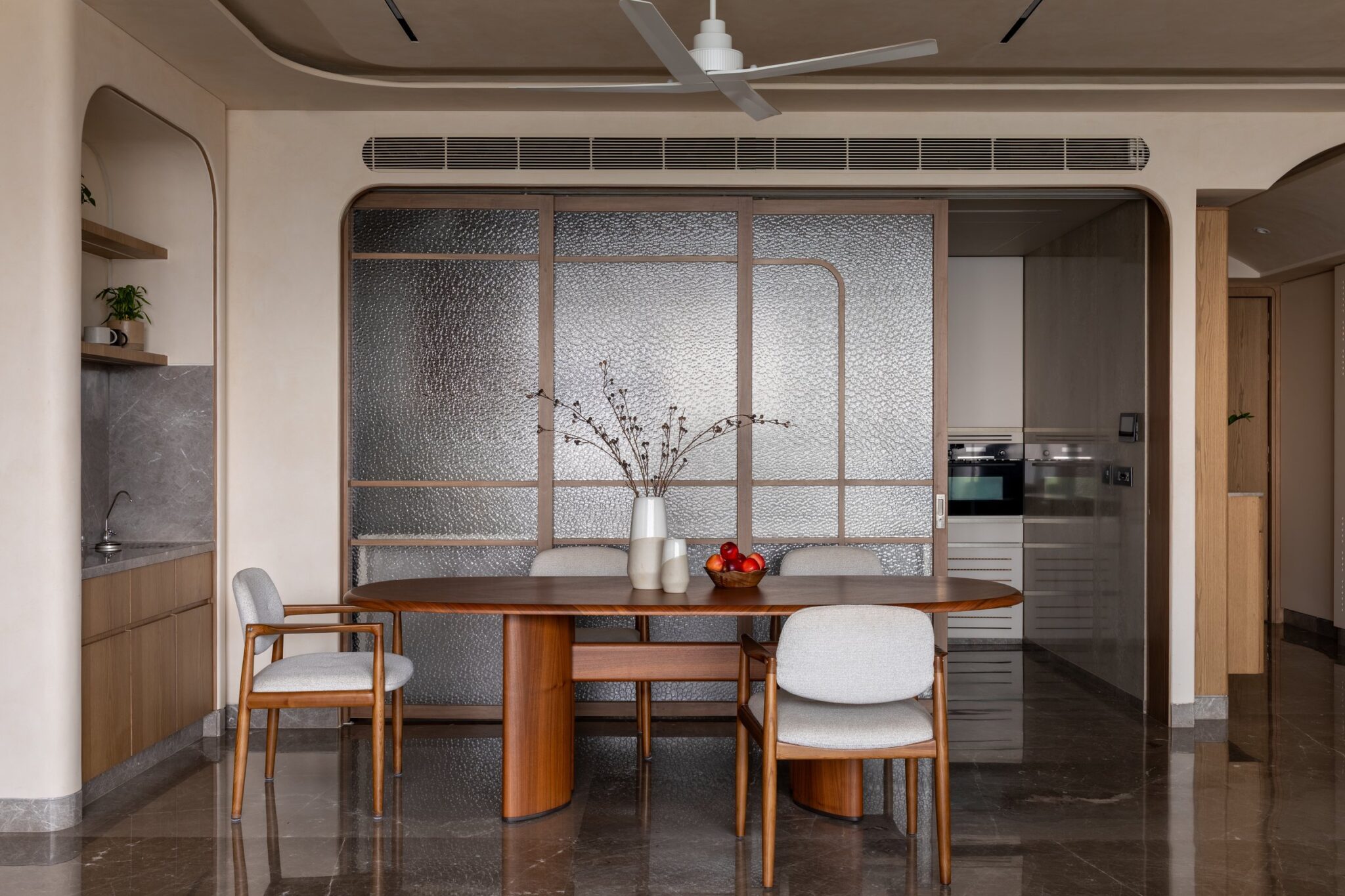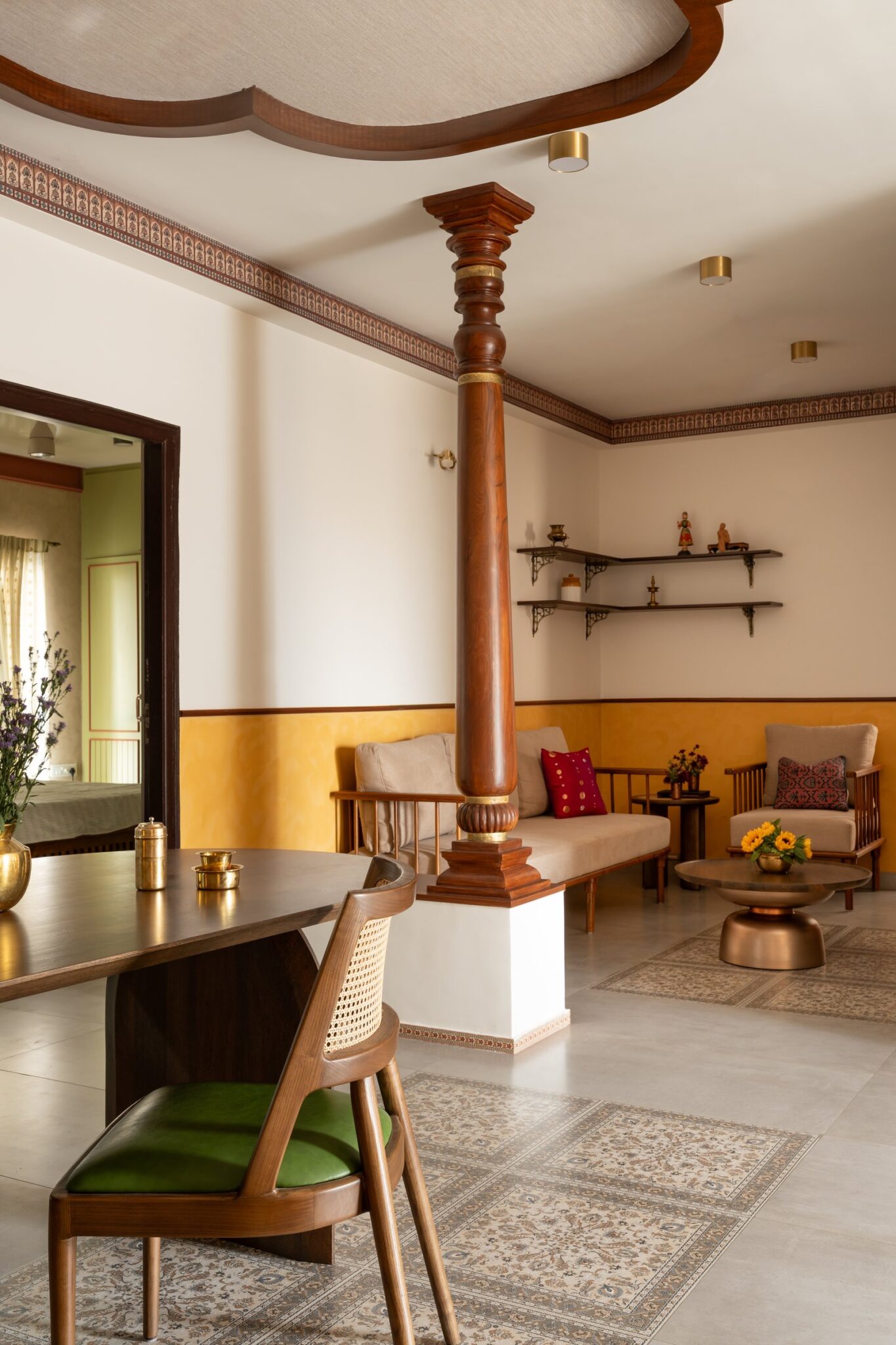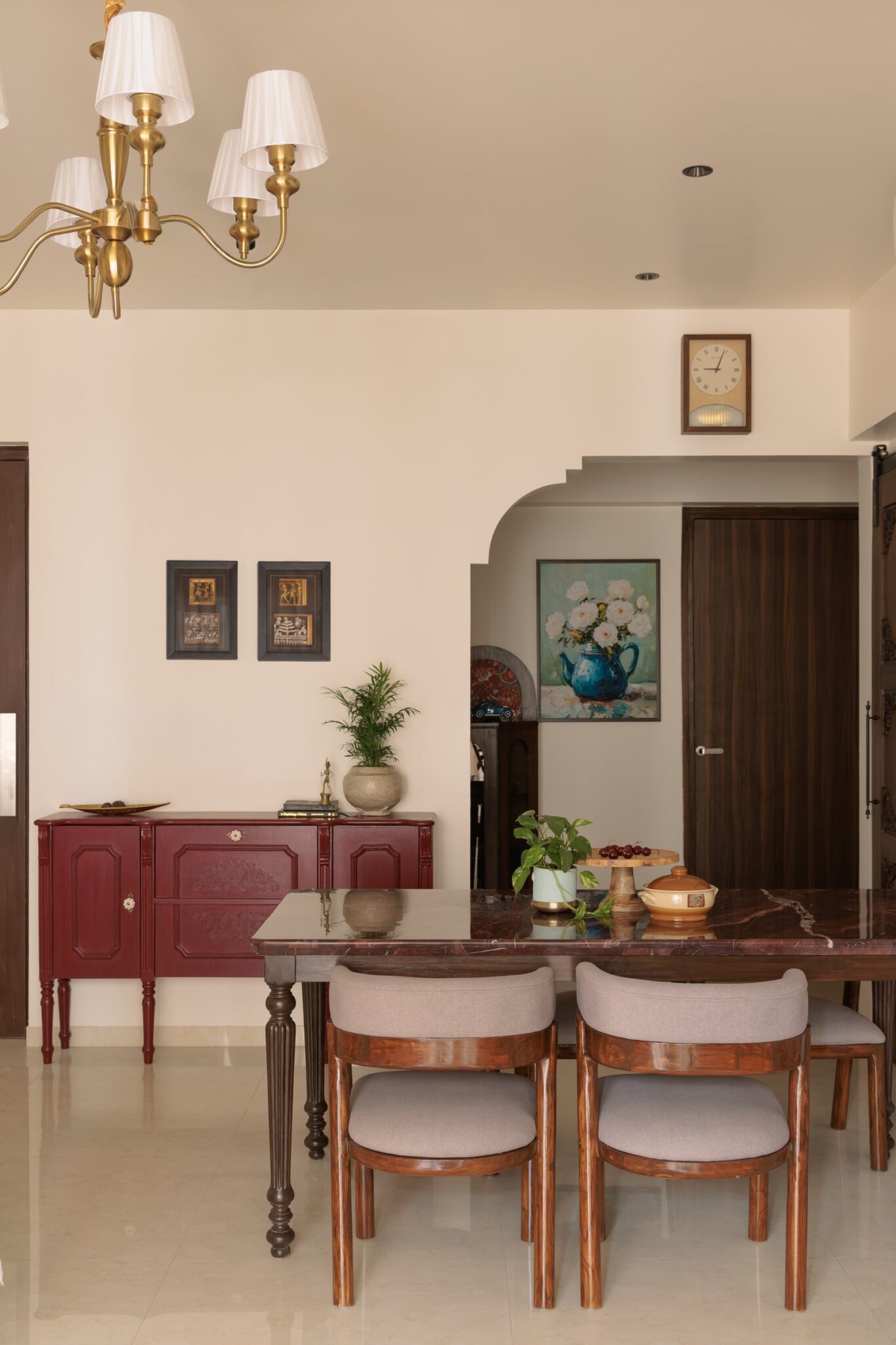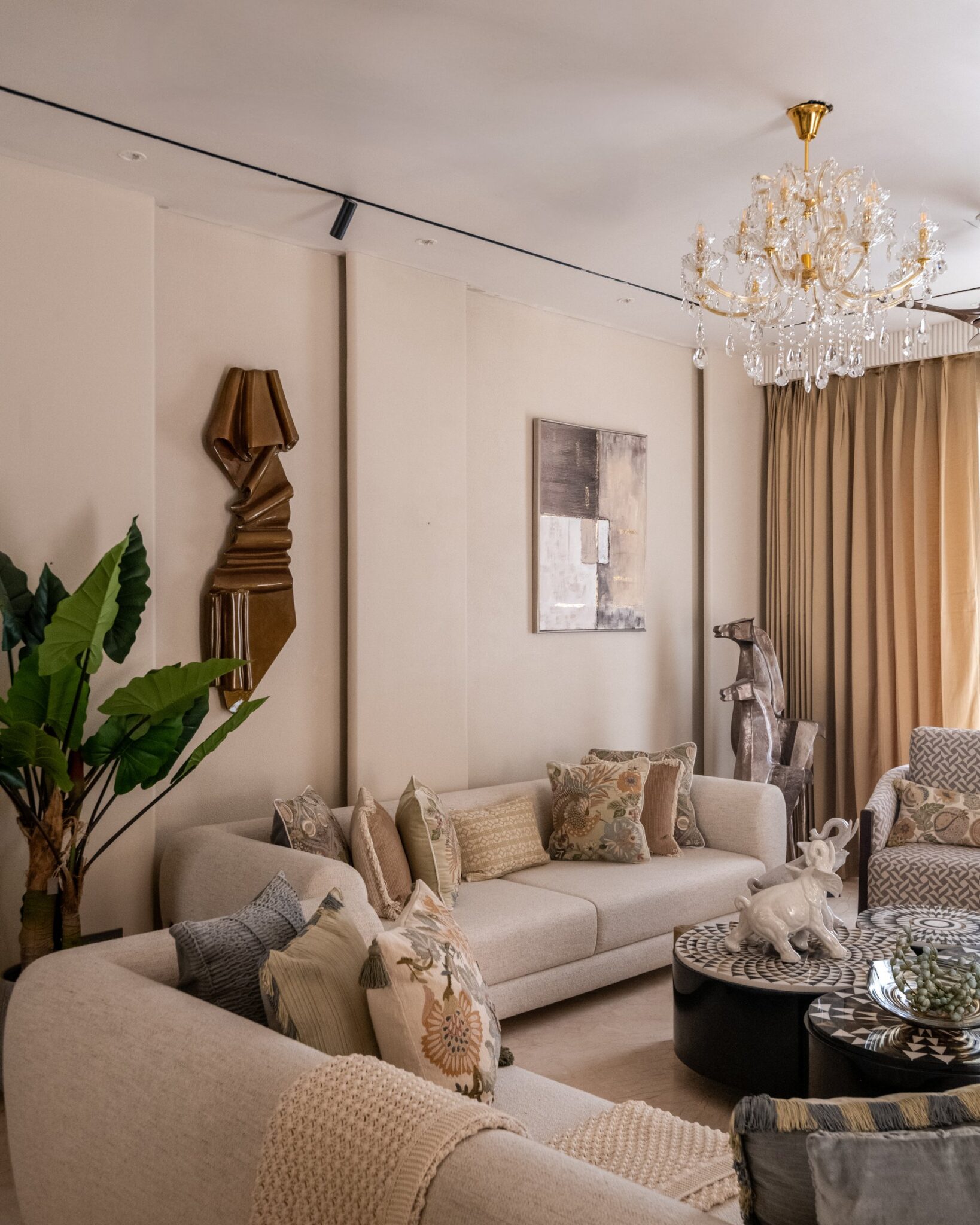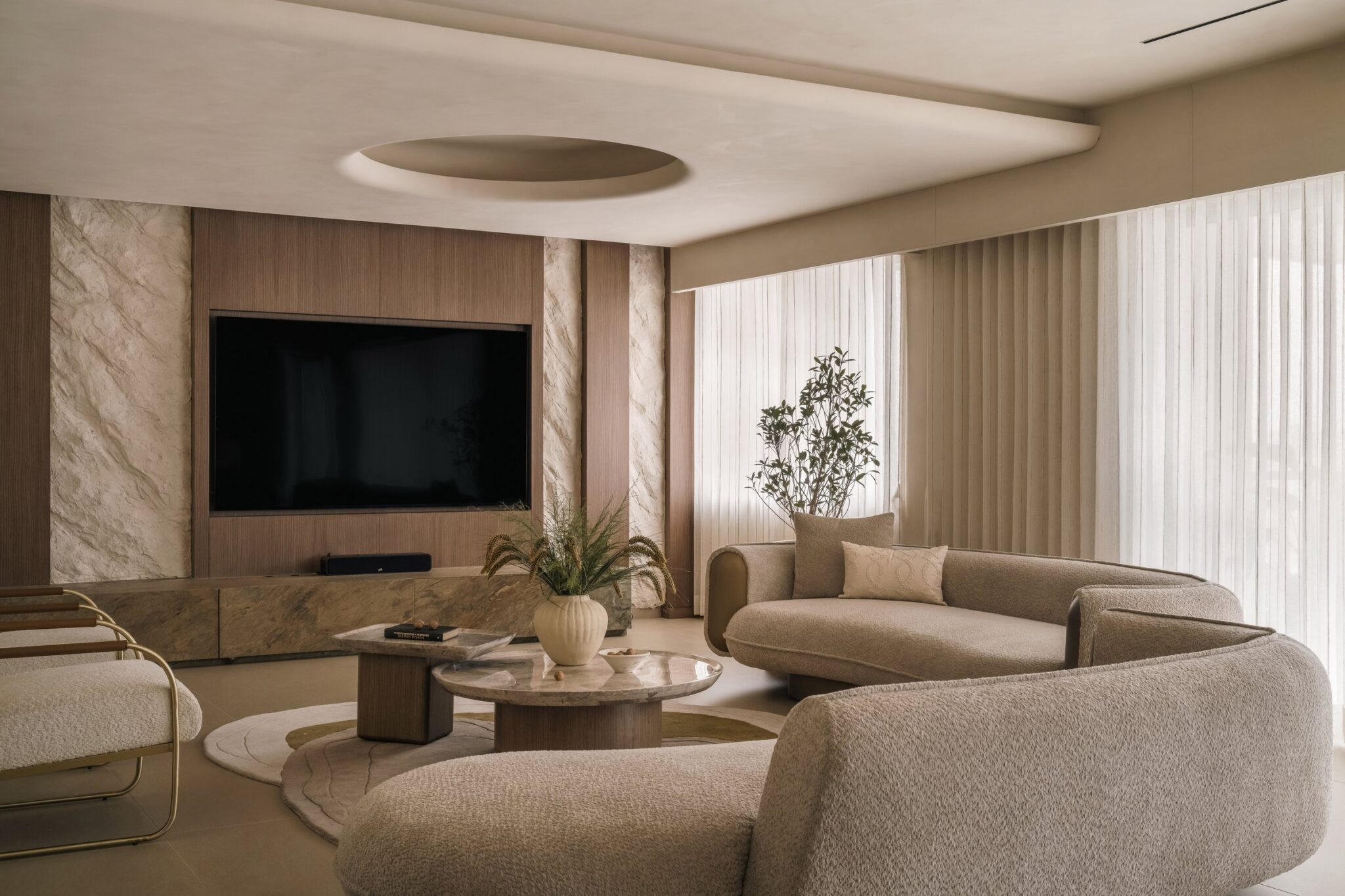
In a design landscape often defined by visual abundance, Lisa Christian has built her practice around a quieter proposition. As founder of Dubai-based interior design studio The Design Edit, she believes the most successful spaces are rarely the ones with the most features, finishes, or focal points. Instead, they are the homes where every decision has been carefully considered, where function and beauty work in tandem, and where the experience of living has been placed at the centre of the design process.
It is a perspective shaped by an unconventional path into the industry. Before founding The Design Edit, Christian worked in media and advertising, developing an understanding of communication, storytelling, and the emotional connections people form with places and experiences. Later, through the ownership and renovation of a portfolio of successful short-stay homes, she became increasingly fascinated by the relationship between design and everyday life. What began as a practical exercise in creating memorable guest experiences gradually evolved into a deeper interest in how layout, materials, lighting, and spatial planning influence the way people feel within a space.
Today, those lessons continue to define The Design Edit, a studio dedicated to creating homes that are calm, functional, timeless, and deeply personal. In this exclusive Designer Spotlight with Home Publication, Christian reflects on her journey into interiors, her philosophy of thoughtful editing, the evolving nature of luxury, and why the future of residential design lies not in excess, but in clarity.
From Media to Interiors: An Unconventional Journey
Unlike many designers who arrive through architecture or formal design training, Christian’s introduction to interiors came through experience. Renovating and curating a portfolio of short-stay homes exposed her to the realities of designing spaces that needed to perform in everyday life rather than simply photograph well. The challenge was not only aesthetic; it involved understanding how people moved through a home, where they gathered, what made a space feel comfortable, and how design could shape behaviour and emotion.
As her interest deepened, she pursued formal interior design studies to complement her practical experience. The turning point arrived through a comprehensive villa renovation that would ultimately become the foundation of The Design Edit. Immersing herself in every stage of the process, from demolition and spatial planning to joinery detailing and material selection, transformed a long-standing passion into a professional direction.
The project reinforced a belief that continues to guide the studio today: great design is rarely about adding more. It is about editing with intention, making thoughtful decisions, and creating homes that support modern lifestyles while remaining relevant for years to come.
Designing Homes That Work Beautifully
At the heart of Christian’s work is a simple principle: create homes that work beautifully.
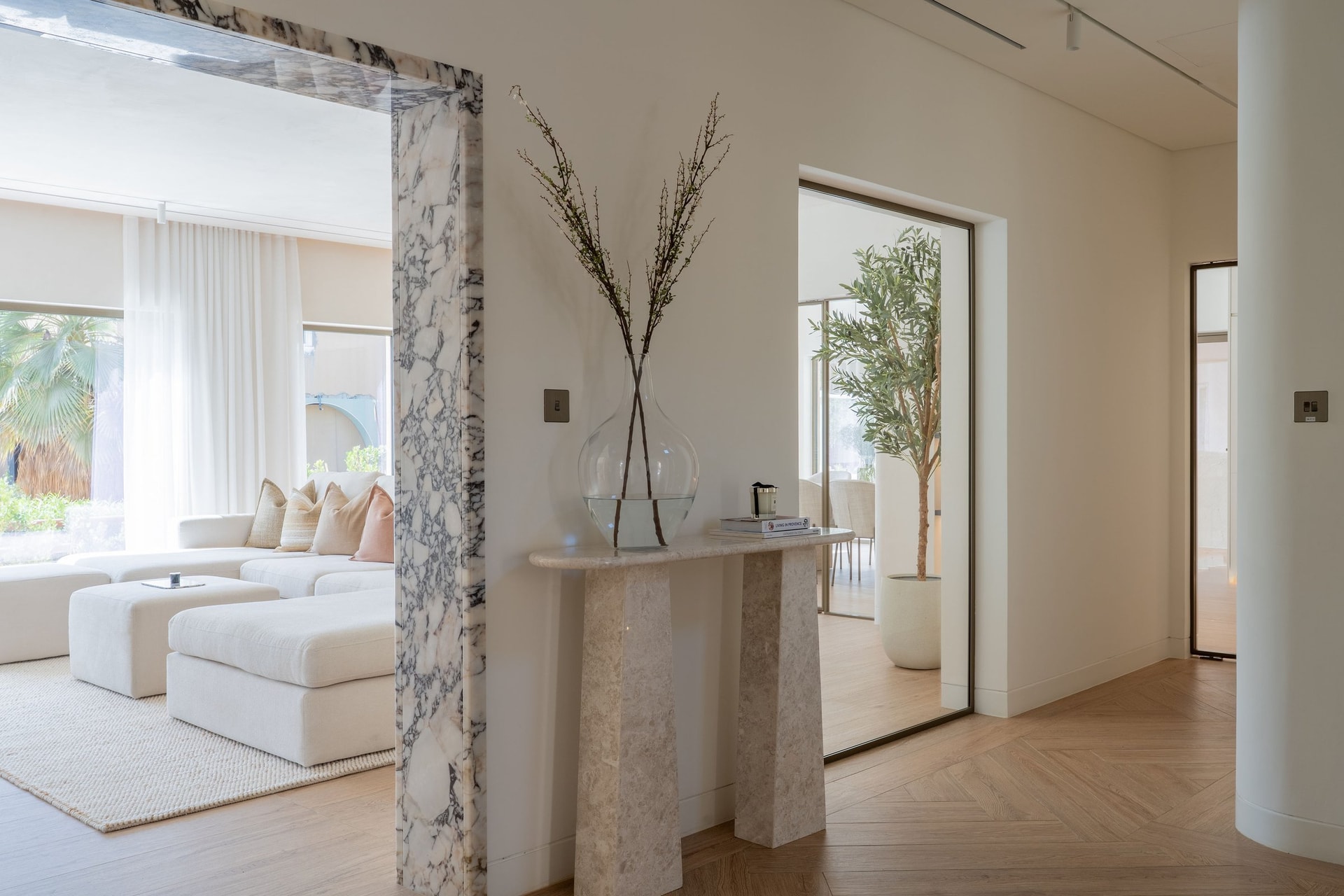
While aesthetics remain important, functionality forms the foundation of every project. Her approach begins with understanding how people live, identifying daily frustrations, and finding opportunities to improve the way a home performs. Spatial planning, circulation, sightlines, and flow are considered long before decorative decisions are introduced.
For Christian, the most successful interiors balance three essential qualities: aesthetics, functionality, and emotional connection. A home can be visually striking, but if it fails to support the realities of daily life, its appeal inevitably diminishes. Equally, a highly functional environment without warmth or atmosphere risks feeling impersonal.
This philosophy extends to her understanding of timelessness. Rather than viewing timeless design as the absence of trends, she sees it as the result of strong and confident decisions. Carefully considered proportions, a disciplined material palette, architectural consistency, and a sense of restraint create interiors capable of ageing gracefully without feeling tied to a particular moment in time.
The homes that endure, she believes, are rarely the loudest. They are the ones where every element feels purposeful and where materials develop character rather than requiring replacement.
Luxury, Wellness, and the Modern Home
Few concepts are evolving as rapidly within residential design as wellness. For Christian, this shift represents one of the most meaningful developments currently shaping the industry.
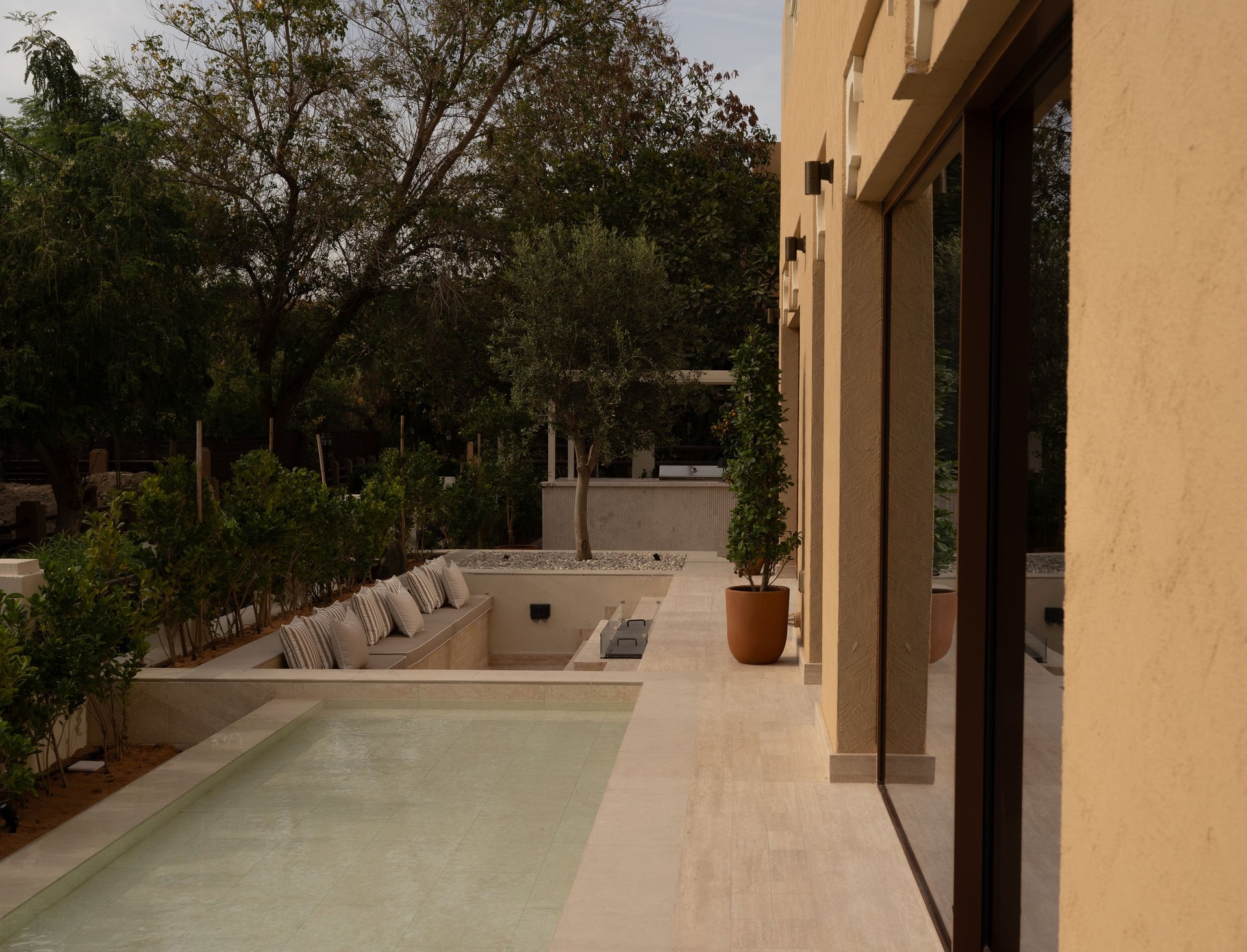
Rather than confining wellbeing to dedicated spa rooms or fitness spaces, today’s homeowners are increasingly seeking environments that support mental and physical health throughout everyday life. Natural materials, improved access to daylight, stronger connections to outdoor spaces, calming colour palettes, and thoughtfully layered lighting are becoming integral components of residential design.
At the same time, Christian believes the definition of luxury itself is undergoing a transformation. In many markets, particularly across parts of the Middle East, luxury has traditionally been associated with visual richness and multiple statement elements competing for attention. Her own interpretation is markedly different.
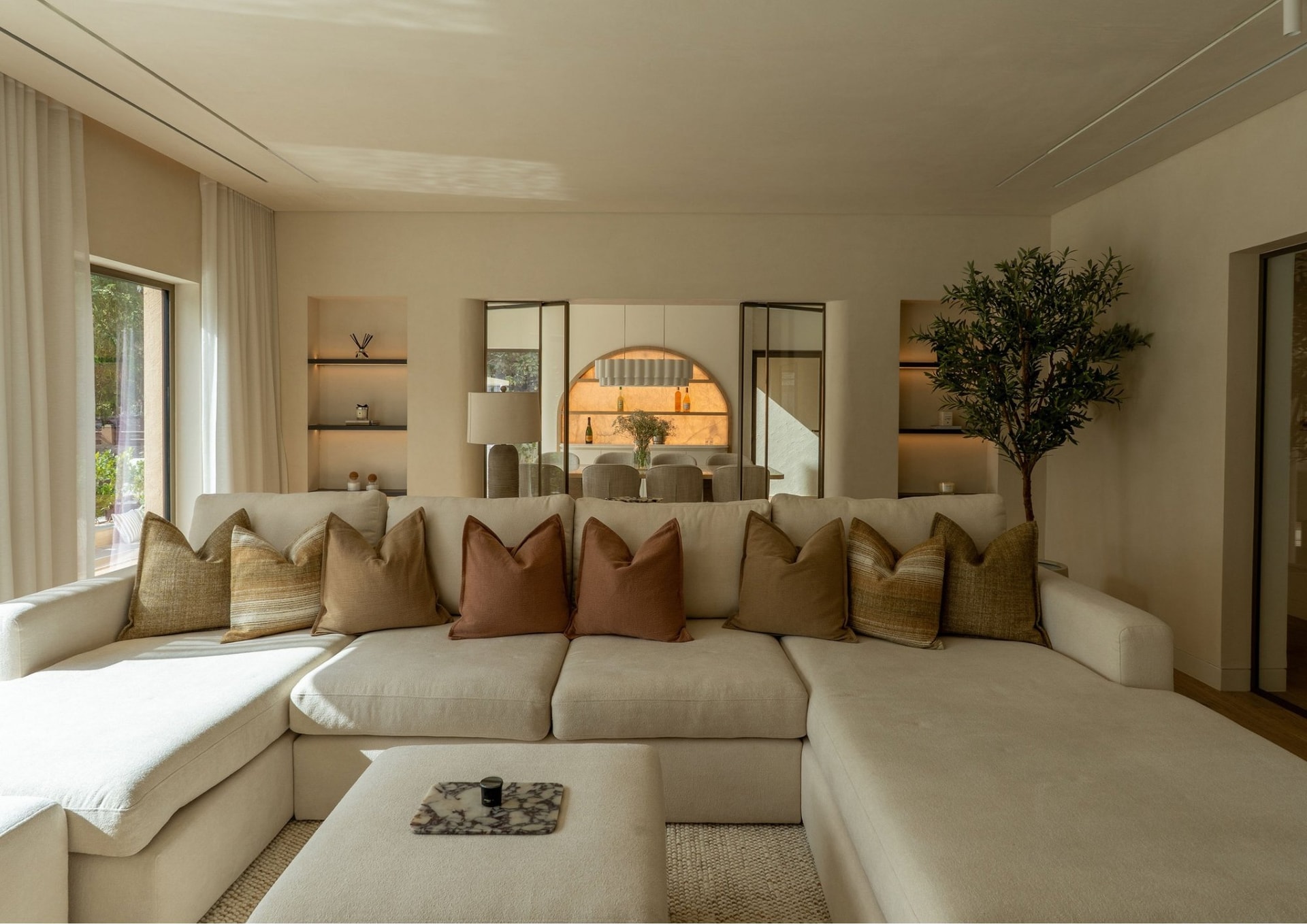
True luxury, she argues, is found in confidence and restraint. It comes from thoughtful planning, exceptional craftsmanship, carefully selected materials, and spaces that feel effortless rather than overdesigned. When every surface is attempting to become the focal point, the overall experience often becomes diluted.
““I believe the future of luxury lies not in having more, but in knowing precisely what deserves to remain.””
The Practice of Thoughtful Editing
Collaboration sits at the centre of every Design Edit project. Before any plans are drawn or materials selected, Christian invests considerable time understanding the people who will ultimately inhabit the space.
Lifestyle, routines, aspirations, frustrations, and future needs all become part of the design conversation. By identifying the right problems at the outset, she believes more meaningful and enduring solutions can be achieved.
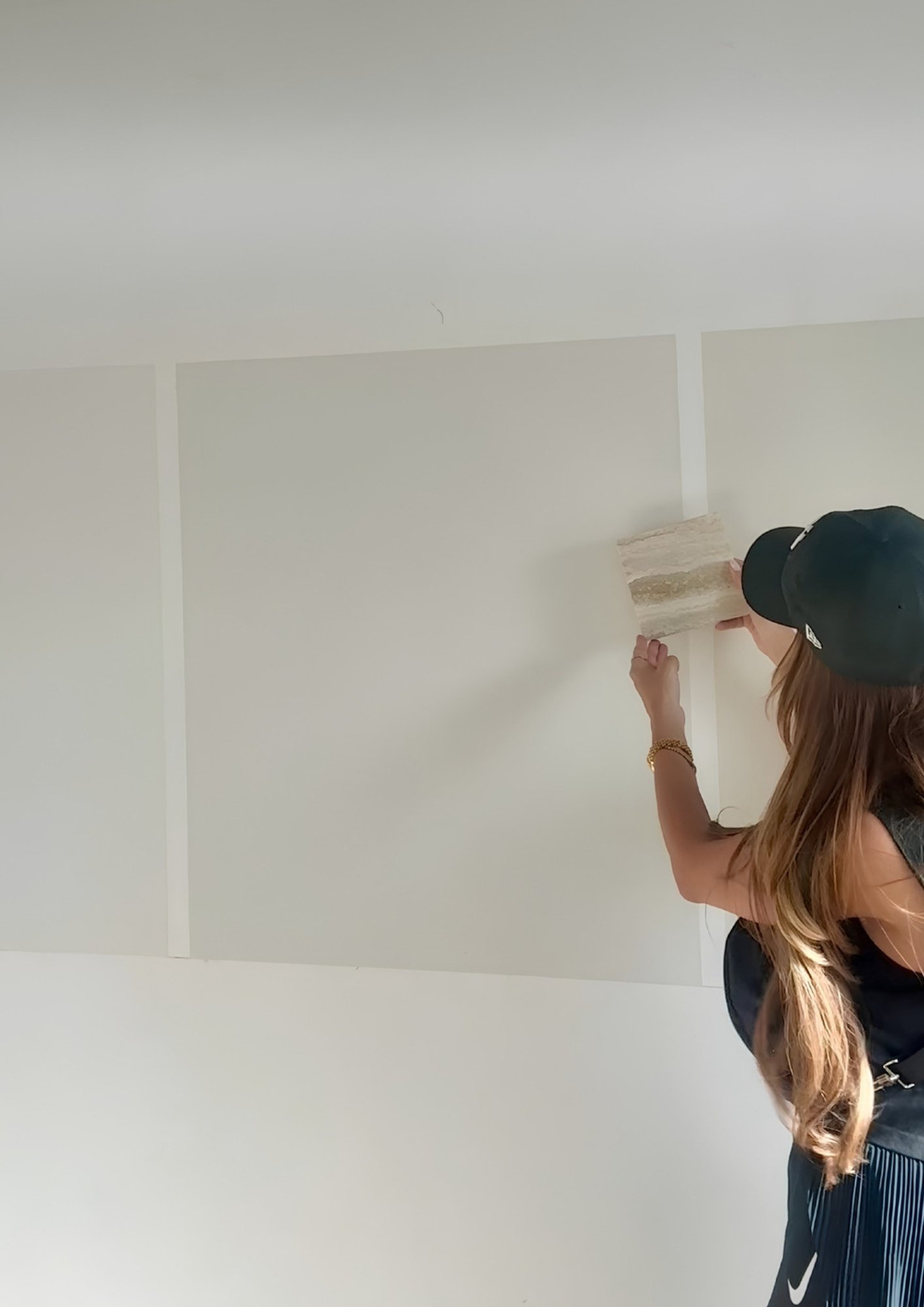
The design process itself is highly collaborative, involving close coordination between clients, contractors, suppliers, and specialist craftspeople. Yet one of Christian’s key responsibilities is helping clients navigate what can often feel like an overwhelming number of decisions. Rather than presenting endless options, she focuses on creating clarity. Materials, lighting, architectural details, and finishes are layered carefully and intentionally, ensuring that every decision contributes to a cohesive vision rather than becoming an isolated gesture.
The result is a process that feels less about decoration and more about strategic problem-solving, ultimately creating homes that feel authentic to the people who live within them.
Reimagining Space: The Villa That Defined The Design Edit
Among the projects that have shaped Christian’s career, one stands above the rest.
A full villa renovation, which later became the catalyst for launching The Design Edit, challenged many of her assumptions about design while helping establish the studio’s core principles.
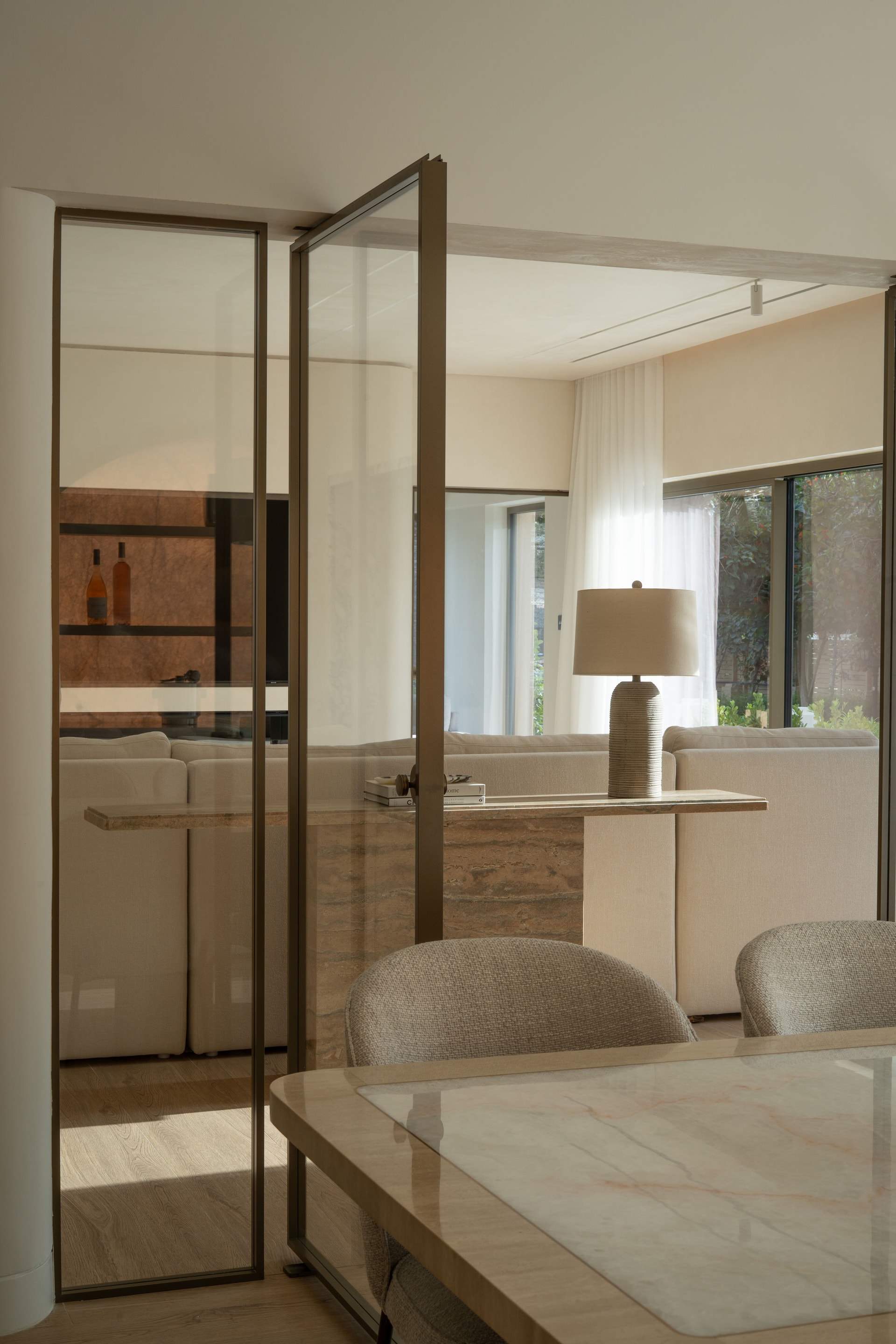
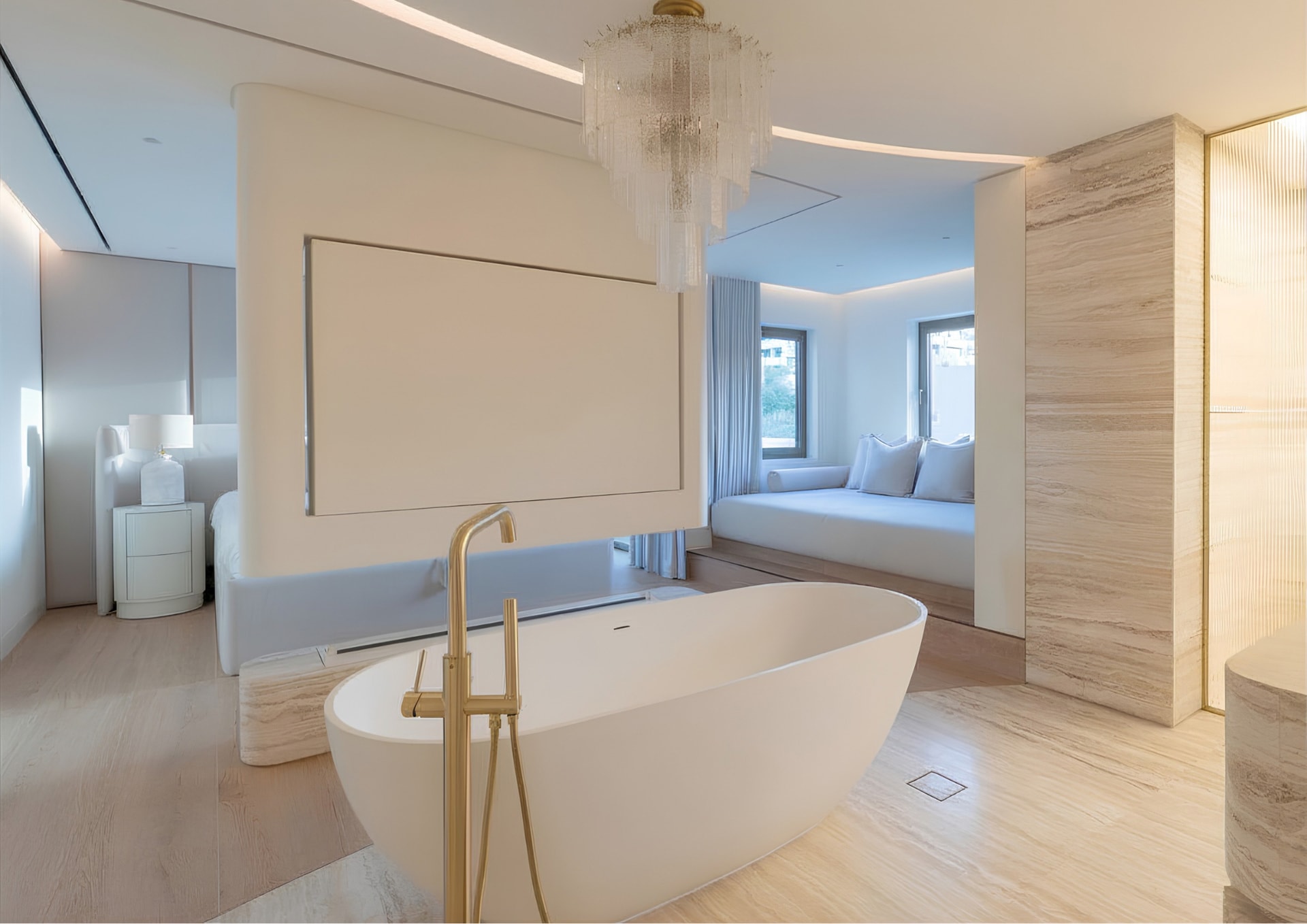
The original property suffered from a fragmented layout with disconnected rooms and limited visual relationships between spaces. Rather than treating each room individually, Christian approached the renovation as a holistic rethinking of how the home functioned. Walls were opened, sightlines improved, and internal glazing introduced to strengthen connections throughout the property. One of the most transformative interventions involved creating a true master suite by incorporating an adjacent bedroom into a sequence of interconnected spaces comprising a bedroom, open bathroom, walk-in wardrobe, and private lounge.
Elsewhere, a self-contained guest suite was introduced to provide greater privacy and independence, while bespoke joinery, integrated bars, and carefully considered architectural details created a stronger sense of continuity throughout the home.
Inspired by Mediterranean and European interiors, the project combined natural stone, warm timber tones, textured finishes, and custom detailing to create an environment that felt both sophisticated and welcoming. Perhaps more importantly, it reinforced Christian’s belief that successful design emerges not from individual features but from the cumulative effect of hundreds of carefully considered decisions working together.
Preserving Character, Designing for Longevity
Another influential project came through the renovation of a Victorian home in the United Kingdom.
Unlike many contemporary renovations, the focus was not on imposing an entirely new design language but on understanding and celebrating what already existed. Original floorboards were restored, traditional shutters reinstated, and period details carefully preserved.
The experience left a lasting impression on Christian’s approach to design.
It reinforced the importance of respecting context, understanding architectural history, and recognising that successful design is often about revealing and refining rather than replacing. The project also strengthened her commitment to longevity, a principle she increasingly views as fundamental to sustainability.
For Christian, sustainability begins with creating homes that people continue to love for years rather than feeling compelled to renovate after a short period. Durable materials, adaptable layouts, timeless finishes, and thoughtful planning all contribute to a more responsible approach to design. As clients become increasingly conscious of quality, longevity, and long-term value, she believes the gap between good design and sustainable design is becoming increasingly narrow.
Inspiration Beyond Interiors
While interiors remain her professional focus, Christian’s creative influences extend far beyond the design industry itself.
Travel, hospitality, historic architecture, fashion, photography, and cultural experiences all contribute to the way she thinks about atmosphere and emotional connection. During a recent visit to Madrid, she found herself as inspired by the relationship between buildings, streets, cafés, and people as by the architecture itself.
What interests her most is not individual objects but the feeling a place creates.
This search for atmosphere also informs the way she approaches creativity. When confronted with creative blocks, she rarely seeks solutions by consuming more visual content. Instead, she prefers to step away, change her inputs, and allow ideas to develop naturally through observation, conversation, and experience.
It is a philosophy that values reflection over immediacy and curiosity over constant productivity.
Building a Design Platform
The Design Edit has always been about more than interiors.
While residential projects remain at the heart of the practice, Christian’s long-term vision extends into education, publishing, and product design. Through initiatives such as The Design Edit Library, she aims to make design knowledge more accessible, helping homeowners navigate the complexities of renovation and planning with greater confidence.
This vision is already taking shape through the launch of TDE Home, a collection of thoughtfully designed products that reflect the same principles guiding the studio’s interiors. The debut collection includes an onyx vessel that functions as both a practical object and sculptural accent, alongside The Last Layer, a signature room spray designed to enhance the atmosphere of a space.
Together, these initiatives represent an expansion of the studio’s philosophy beyond individual projects and into the broader conversation around design-led living.
Curiosity as a Creative Discipline
When asked what advice she would offer emerging designers, Christian returns to the importance of patience and perspective.
In an industry saturated with imagery, trends, and constant visual stimulation, she encourages young creatives to focus on developing their own point of view rather than following what is currently popular. Strong design, she believes, emerges through curiosity, experimentation, and a willingness to evolve over time.
Perhaps the most significant lesson she has learned throughout her career is that not everything goes according to plan and that this is often where the most valuable opportunities emerge. Challenges, revisions, and unexpected obstacles are an inevitable part of the design process, frequently leading to solutions that are stronger than the original idea.
Today, her definition of success is less concerned with recognition and more closely tied to maintaining a sense of curiosity. As long as she continues learning, discovering new sources of inspiration, and finding fresh ways to approach design, she believes she is moving in the right direction.
Editor’s Note
At a moment when residential design is increasingly shaped by spectacle, Lisa Christian represents a quieter but increasingly influential perspective. Through The Design Edit, she advocates for an approach rooted in clarity, longevity, and thoughtful problem-solving, where the success of a home is measured not by how much it contains, but by how intuitively it supports the lives unfolding within it.
What emerges from this conversation is not simply a design philosophy, but a way of thinking. Whether discussing renovation, wellness, sustainability, or luxury, Christian consistently returns to the value of restraint, careful editing, and meaningful decision-making. Her work suggests that the future of residential design may lie less in the pursuit of novelty and more in creating spaces that remain relevant, functional, and emotionally resonant over time.
As The Design Edit expands beyond interiors into education, publishing, and product design, its ambitions reflect a broader shift within the industry: one that places equal emphasis on knowledge-sharing, craftsmanship, and the lived experience of space. It is a direction that feels particularly relevant today, and one that positions Lisa Christian as a thoughtful voice within the evolving conversation around contemporary design.
You can follow Lisa’s work at @thedesignedit.ae.