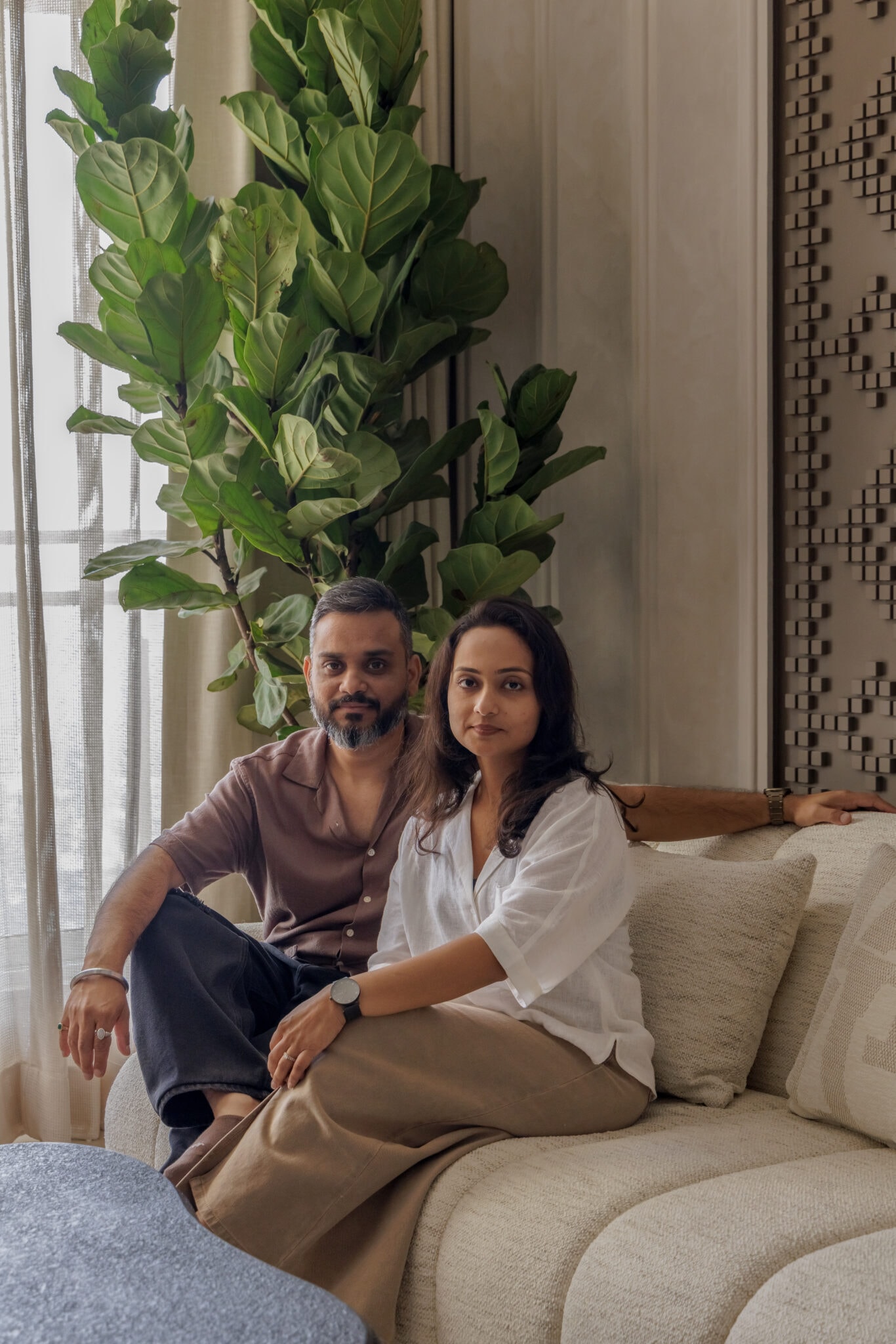
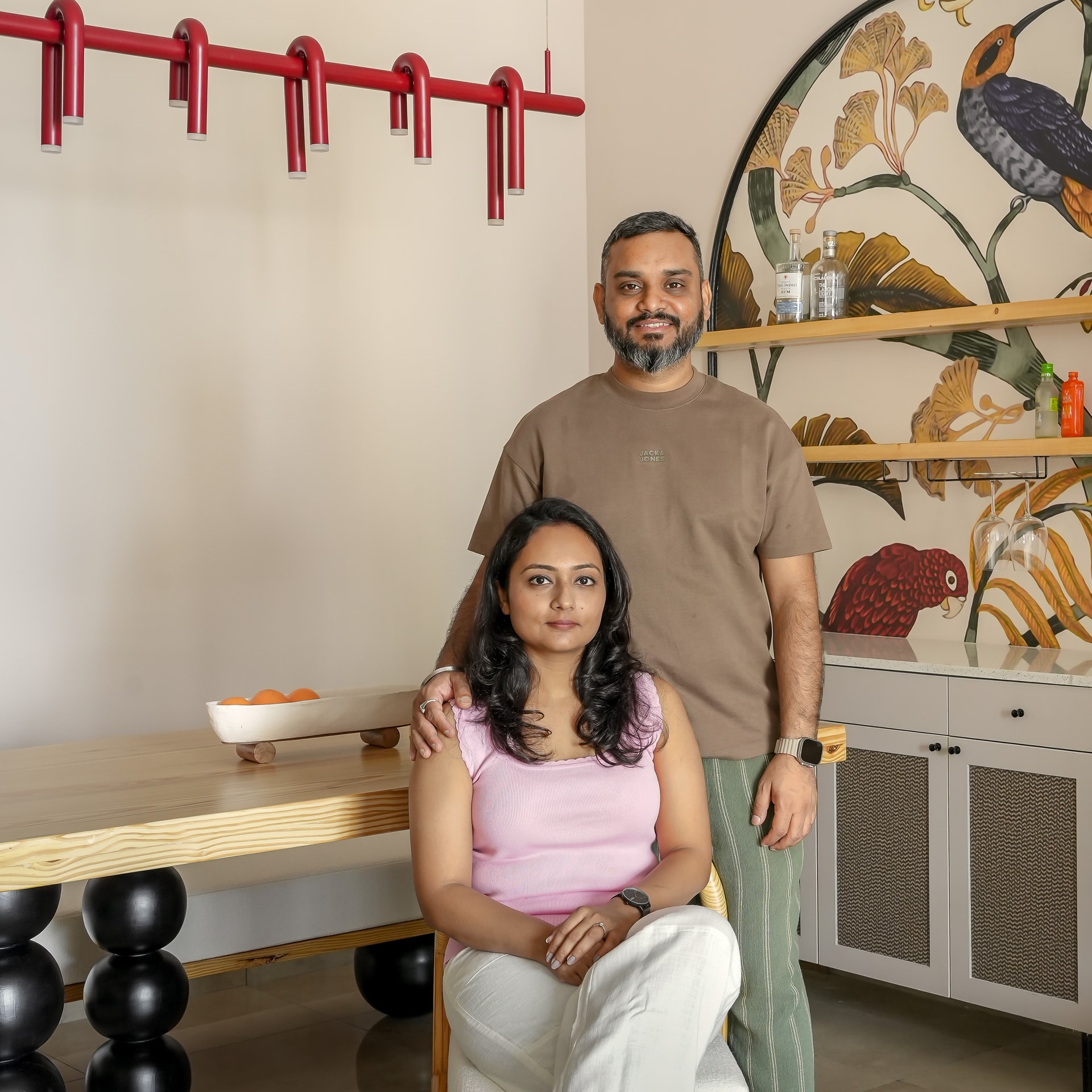
For Rohit and Puja Gupta, good interior design begins well before a mood board is assembled or a material is selected. It starts with an honest conversation, about budgets, priorities and, most importantly, how a family actually lives. At RN Deesign, this clarity forms the foundation of the practice, where transparency is not simply part of the client relationship, but a design principle that shapes every decision that follows.
It is a considered approach in an industry often drawn to signature aesthetics and visual spectacle. The Guptas choose instead to let each project find its own expression. They describe their work as timeless, thoughtful and personal, three seemingly simple qualities that demand considerable restraint to sustain across more than a decade of residential and commercial practice.
Design Philosophy
Rohit’s route into design was, by his own admission, unplanned. He initially trained in animation, drawn to visual composition and the process of building imagined worlds. It was a faculty member during the course who redirected him towards interior design, recognising that his instincts leaned more towards spatial thinking than character modelling. He went on to study at L.S. Raheja School of Architecture in Mumbai, where he discovered in interiors a compelling intersection of creativity, technical thinking, materiality and human experience. Together with Puja, he founded RN DEESIGN in 2017, and the studio has since built a residential and commercial portfolio shaped by that same measured curiosity.
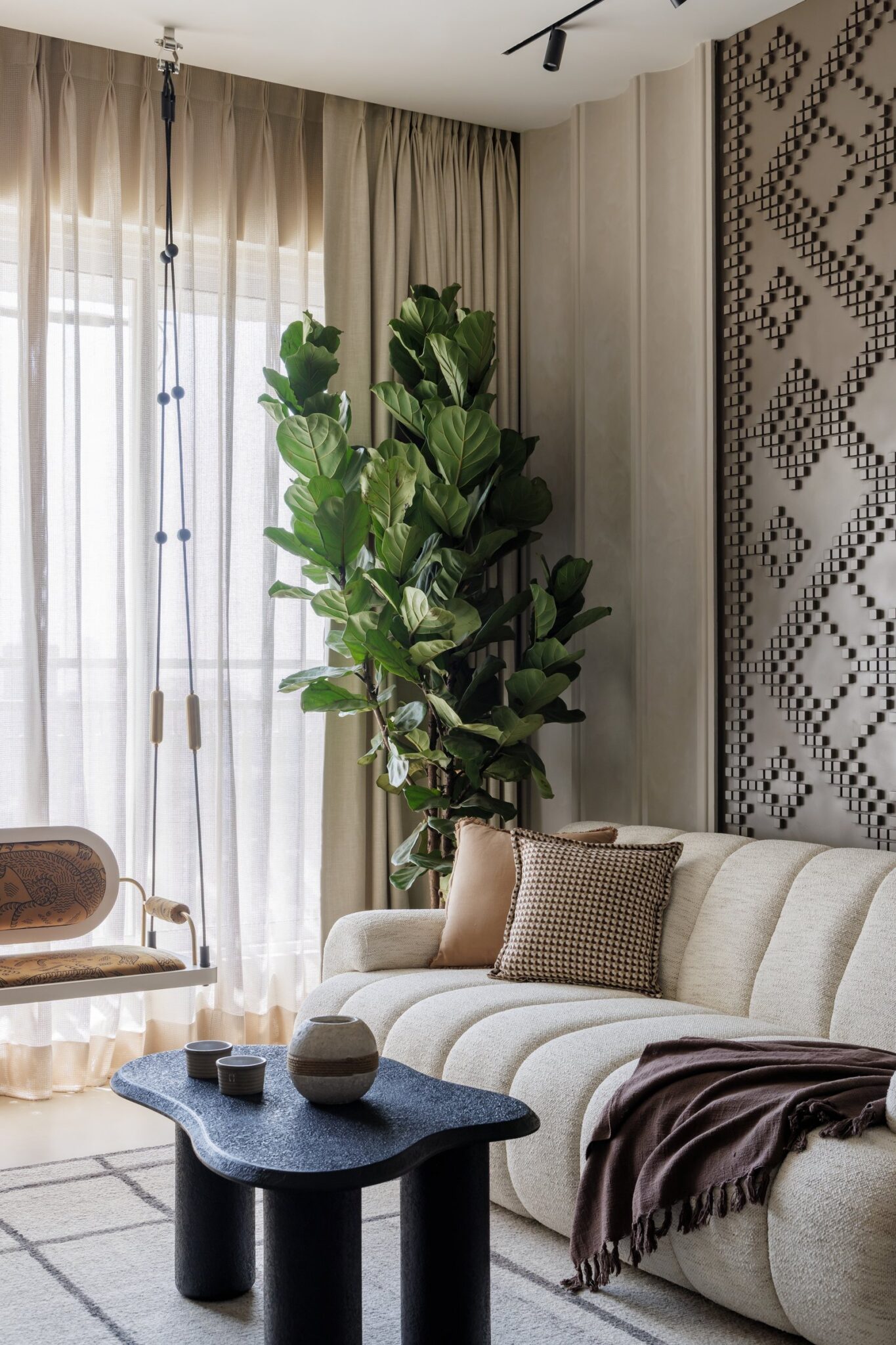
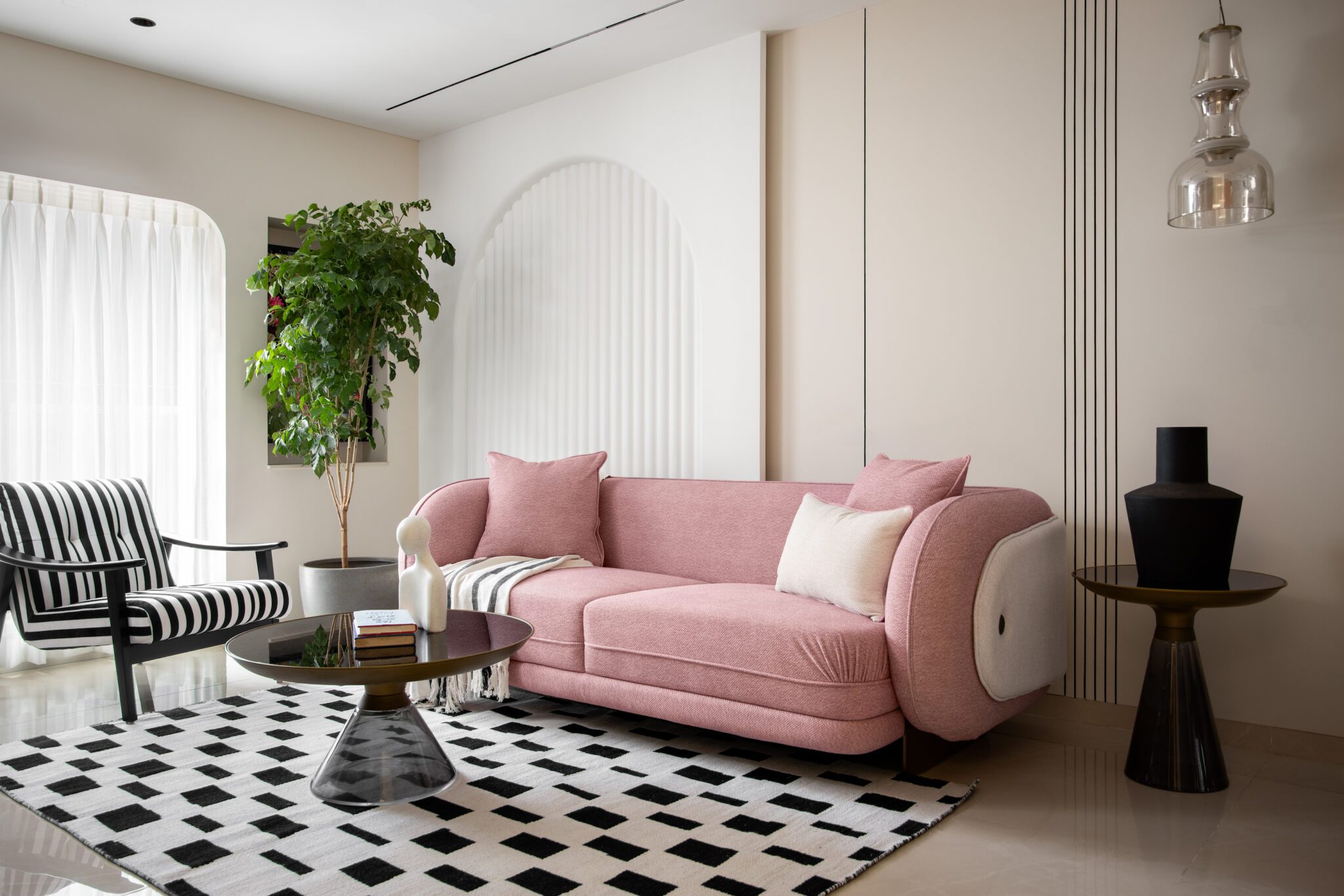
Over nine years of practice, the studio has developed a philosophy that is deliberately unfussy. Rather than subscribing to a singular aesthetic, RN DEESIGN works across contemporary, Indian modern and minimalist expressions, allowing the architecture, context and personality of each client to shape the design. What remains consistent is the framework: clarity, functionality, proportion, materiality and close attention to detail.
““We believe a space should reflect the people who live in it rather than simply follow a particular trend.””
That conviction also informs the Guptas’ understanding of longevity. For them, enduring design is not about resisting contemporary ideas, but knowing how and where to use them. “Timeless design is not about avoiding contemporary ideas,” Rohit explains. “It is about choosing elements thoughtfully so that the overall composition doesn’t become dependent on a short-lived trend.” Good proportions, natural materials, balanced colours and quality craftsmanship become the constants, allowing an interior to remain relevant long after the moment in which it was designed.
Process & Practice
The Guptas describe their process in refreshingly practical terms. Rather than beginning with concept boards or renderings, they start with an extended conversation around lifestyle, expectations, priorities and, crucially, budget. Detailed estimates and BOQs are prepared early, before design decisions gather momentum. It is a process that places commercial clarity alongside creative thinking, allowing clients to understand the financial framework of a project and participate more meaningfully in the decisions that shape it.
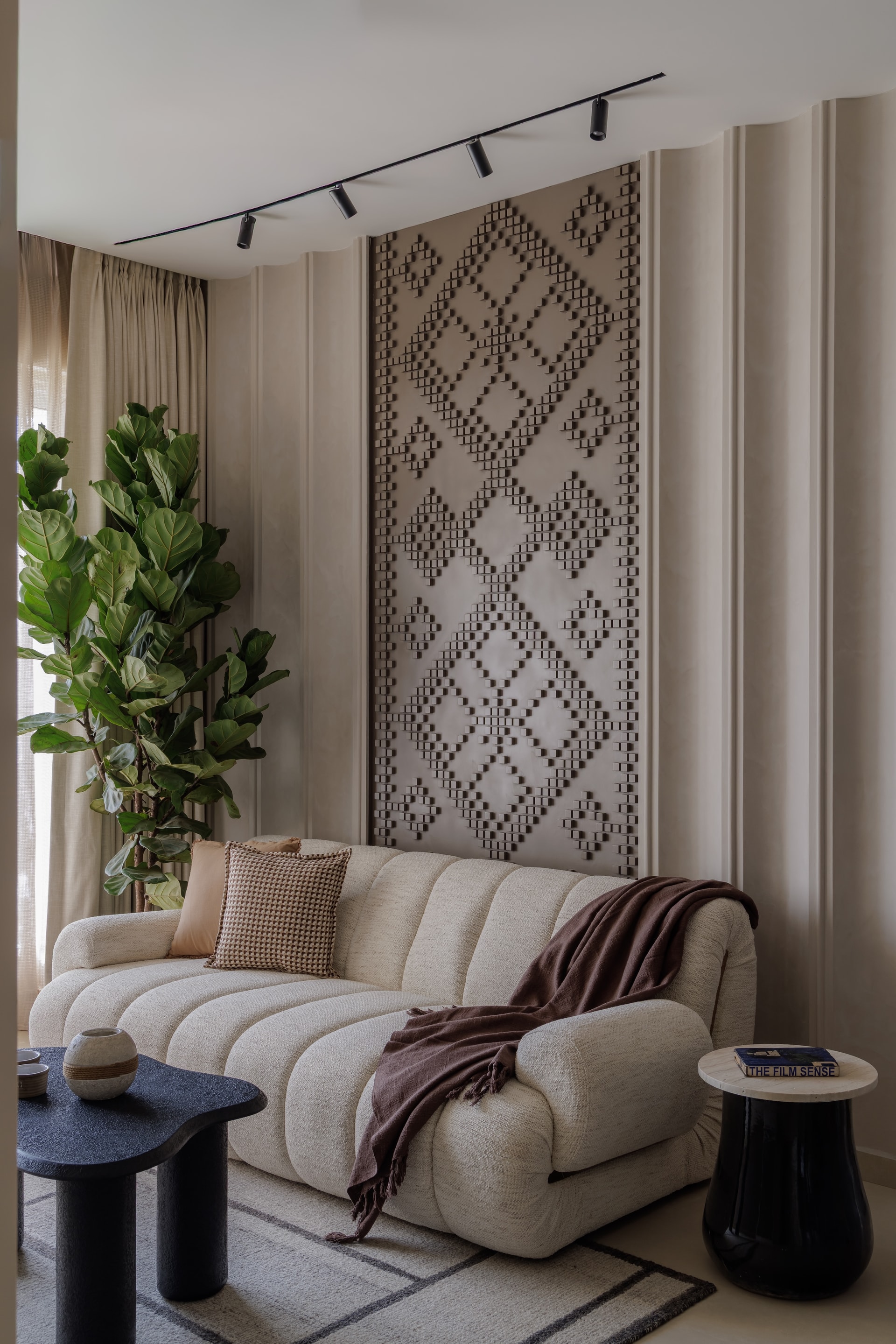
The same attentiveness guides the way RN DEESIGN translates personality into space. Rather than imposing a recognisable studio language, the Guptas observe how their clients live, from everyday routines and habits to family dynamics, and allow these insights to inform planning, colour and material choices. Texture becomes particularly important, creating depth through considered combinations of marble, timber, metal and fabric rather than relying on colour alone.
““We enjoy creating depth by combining different textures and finishes rather than relying only on colour.””
Lighting, too, is considered from the outset rather than treated as a finishing layer, with ambient, task and accent lighting integrated into the early stages of planning. That collaborative thinking extends to the people who bring the drawings to life. Consultants, contractors and craftsmen are viewed as integral to the process, with the studio placing particular value on skilled artisans whose knowledge and workmanship lend a degree of character and individuality that standardised solutions rarely achieve.dits skilled artisans with bringing a level of individuality that standardised solutions rarely achieve.
Project Highlight: An 11,000 sq. ft. Duplex Residence in Kolkata
Among their recent work, an approximately 11,000 sq. ft. two-duplex residence in Kolkata stands out for the Guptas as a study in complexity. Contemporary in its material language, with marble flooring forming a significant part of the palette, the project’s greater challenge lay beneath the surface. Entry sequences, security cabins, parking, vehicular movement and multiple staff quarters had to be carefully resolved without compromising the sense of arrival or the architectural clarity of the residence.
At the heart of the challenge was the integration of an indoor lift alongside a metal spiral staircase. The staircase, in particular, demanded precise coordination between structure, finishes and the surrounding architecture. “The biggest challenges were related to circulation, structure and installation,” Rohit recalls. Across the expansive residence, balancing multiple functional requirements while maintaining visual continuity called for close coordination between the design team, consultants, contractors and site personnel.
““Interior design is not simply about creating beautiful surfaces. It is about solving complex spatial and technical requirements while maintaining a strong overall design identity.””
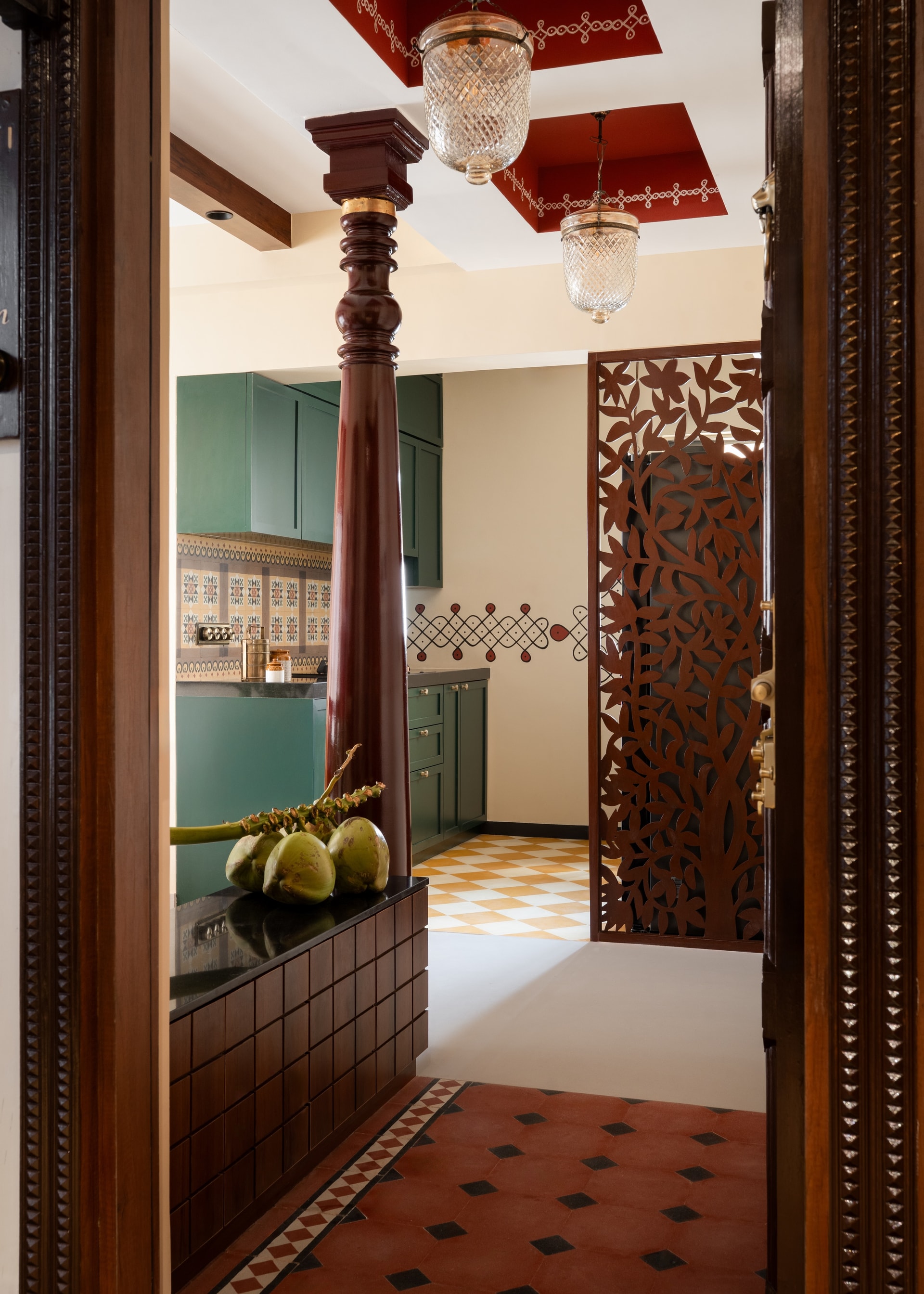
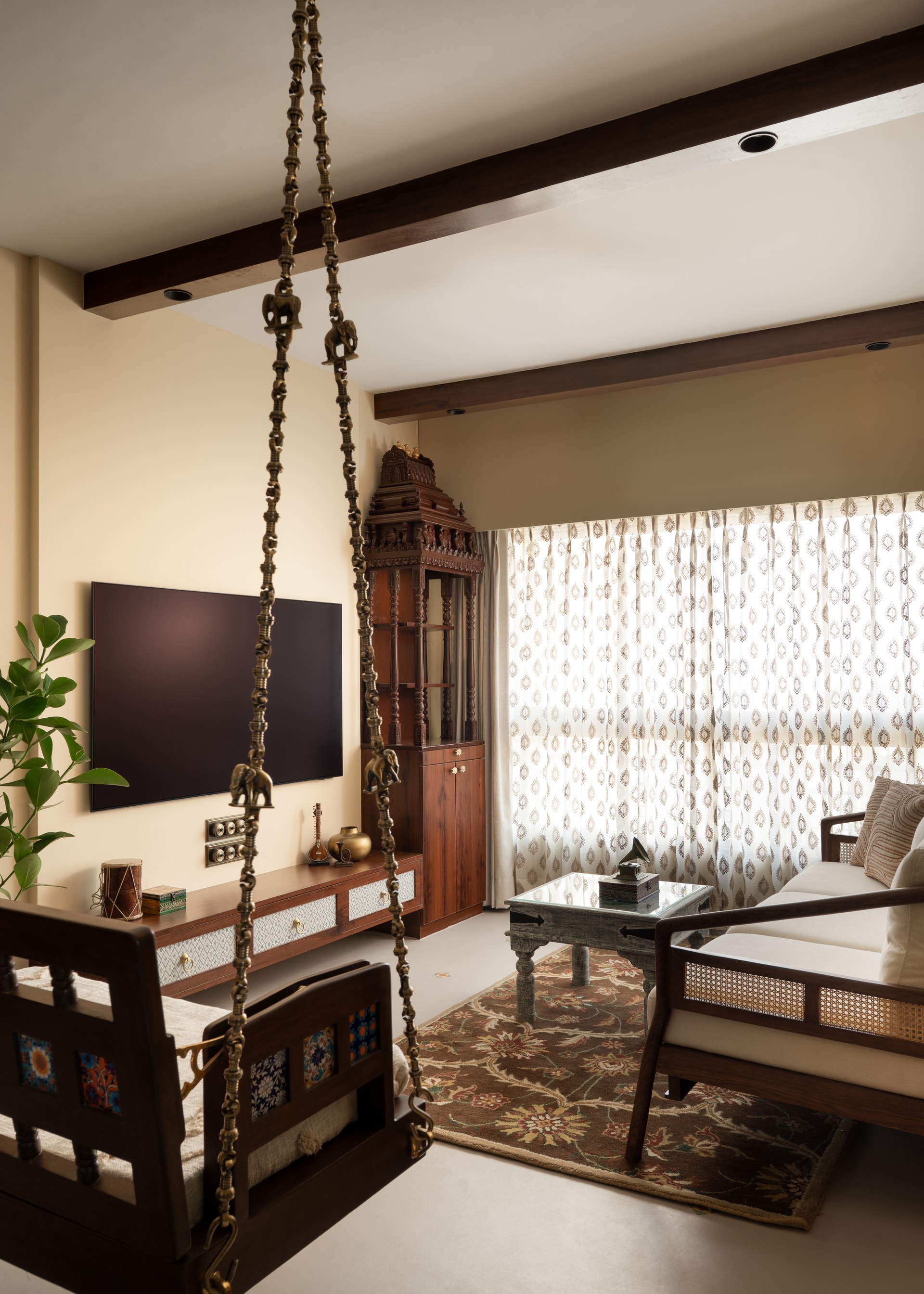
If the Kolkata residence tested the studio’s technical rigour, another project, Soukhyam, expanded its creative vocabulary. Rooted in a South Indian-inspired design language, the project encouraged RN DEESIGN to move beyond familiar expressions and engage more deeply with cultural and contextual references. Its reception, both from the client and across social media, gave the Guptas greater confidence to continue exploring design identities outside their established repertoire.er confidence to continue exploring design identities outside their established repertoire.
Looking Forward
For the Guptas, sustainability is inseparable from longevity. Rather than treating it as a specialist layer or a set of credentials, they see it as a natural consequence of designing well from the outset: choosing durable materials, investing in craftsmanship and creating spaces that remain relevant over time. It is a pragmatic interpretation of a term that can easily become abstract, and one that reflects a shift they increasingly see among clients towards quality, durability and a greater awareness of where materials come from and how they will perform over the years.
Adaptability follows the same thinking. RN Deesign focuses on establishing a strong architectural foundation, with planning, storage, circulation and material choices considered for long-term use, while allowing furniture, artwork and softer layers to evolve as the lives of their clients change. The result is an interior designed to accommodate change rather than resist it, giving a home room to evolve across decades rather than seasons.
““Good sustainable design should be beautiful, functional and responsible at the same time.””
Looking ahead, the studio is working on a number of residential projects across Mumbai and Kolkata, each shaped by its own context, character and material direction. The longer-term ambition is expressed more simply: to remain curious, continue evolving as designers and keep learning through new materials, techniques and crafts. For Rohit and Puja, progress is less about pursuing a recognisable signature than about sustaining the curiosity that brought them to design in the first place.in passionate about the practice, and keep learning through new materials, techniques, and crafts.
In Reflection
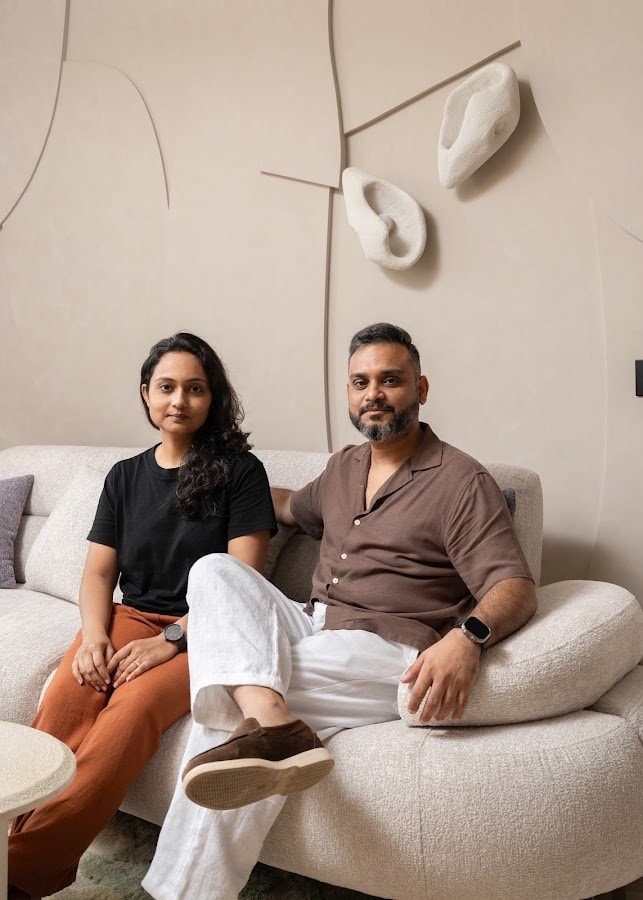
Asked what has shaped him most as a designer, Rohit points not to a mentor or a movement, but to a decision. Leaving the security of a job to establish RN DEESIGN was, he admits, a moment of considerable uncertainty. It was a step he took with the unwavering support of his life partner, Puja, and one that ultimately reshaped not only the course of his career, but his understanding of what it means to build a practice of his own.
That experience continues to inform the advice he offers younger designers today. Consistency, he believes, matters more than early recognition, and curiosity more than comparison. Inspiration, too, often comes from beyond the discipline. Food, in particular, holds a fascination for Rohit for the way it brings together culture, memory, craftsmanship, colour and texture. In many ways, it echoes his approach to interiors: that the most memorable spaces, like the most memorable meals, are ultimately about experience rather than appearance alone.
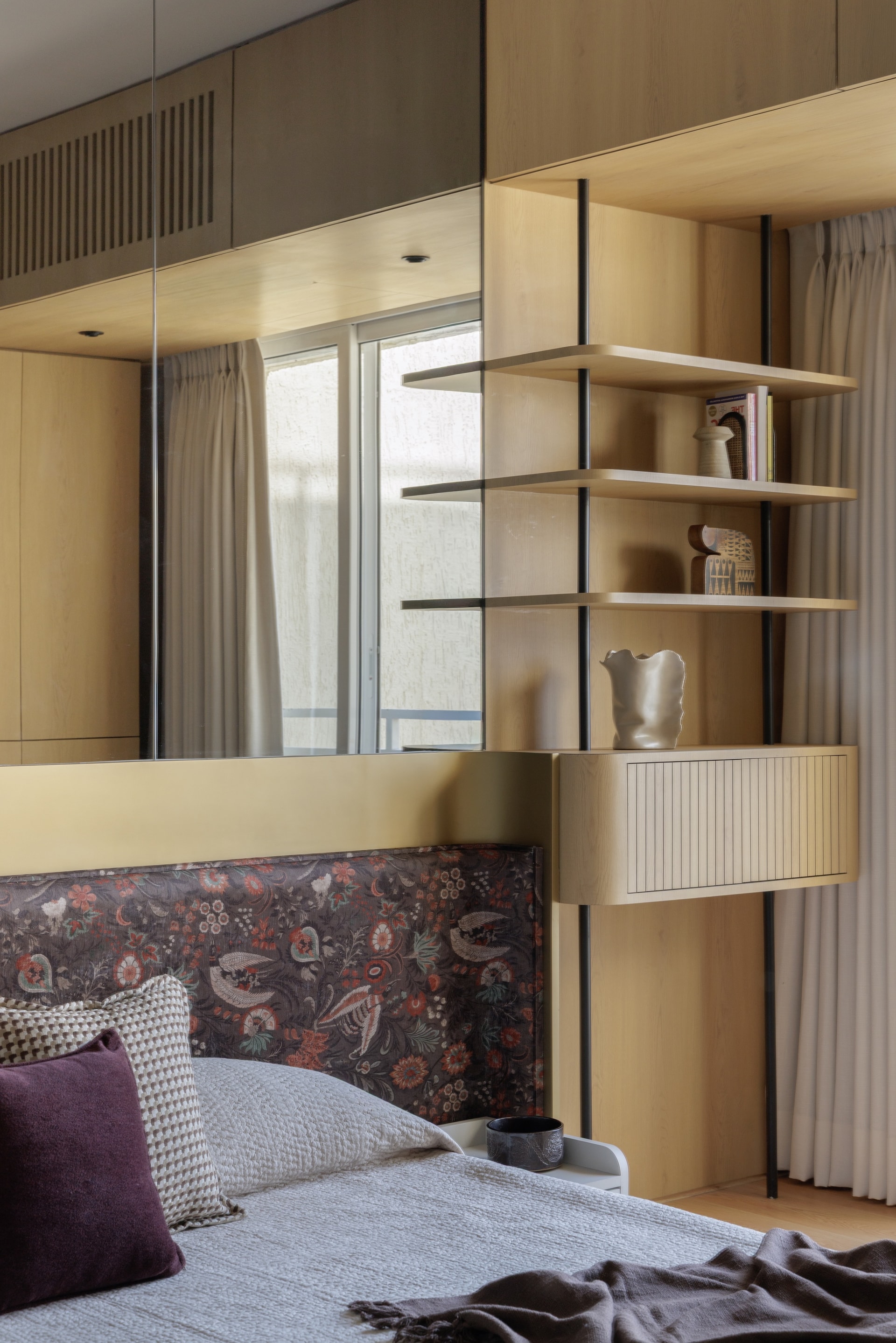
For Rohit and Puja, success is measured less by scale than by continuity: the ability to keep creating meaningful spaces, remain curious and build a practice grounded in values rather than a recognisable signature. It is perhaps the clearest expression of the philosophy that has shaped RN DEESIGN from the beginning: that relevance comes not from following what is current, but from understanding what endures.
““Trends will change, but good design has the ability to remain relevant when it is rooted in people, purpose and thoughtful execution.””
Editor’s Note
What stayed with us from this conversation was the Guptas’ openness about a side of design that is rarely given equal space: the practical framework behind the creative process. Budget conversations, detailed BOQs and financial clarity are discussed with the same seriousness as materiality, proportion and craftsmanship. At RN Deesign, transparency is not treated simply as part of client management, but as a principle that allows better design decisions to be made from the outset.
There is also something compelling about a studio that has grown steadily across residential and commercial work without feeling the need to establish a fixed visual signature. Instead, RN Deesign’s work is guided by context, longevity and the people who will inhabit each space. As the practice continues with projects across Mumbai and Kolkata, its trajectory feels grounded in a simple but increasingly relevant idea: that good design does not need to announce itself to endure.
You can follow Rohit and Puja’s work at @rndeesign or visit rndeesign.com.