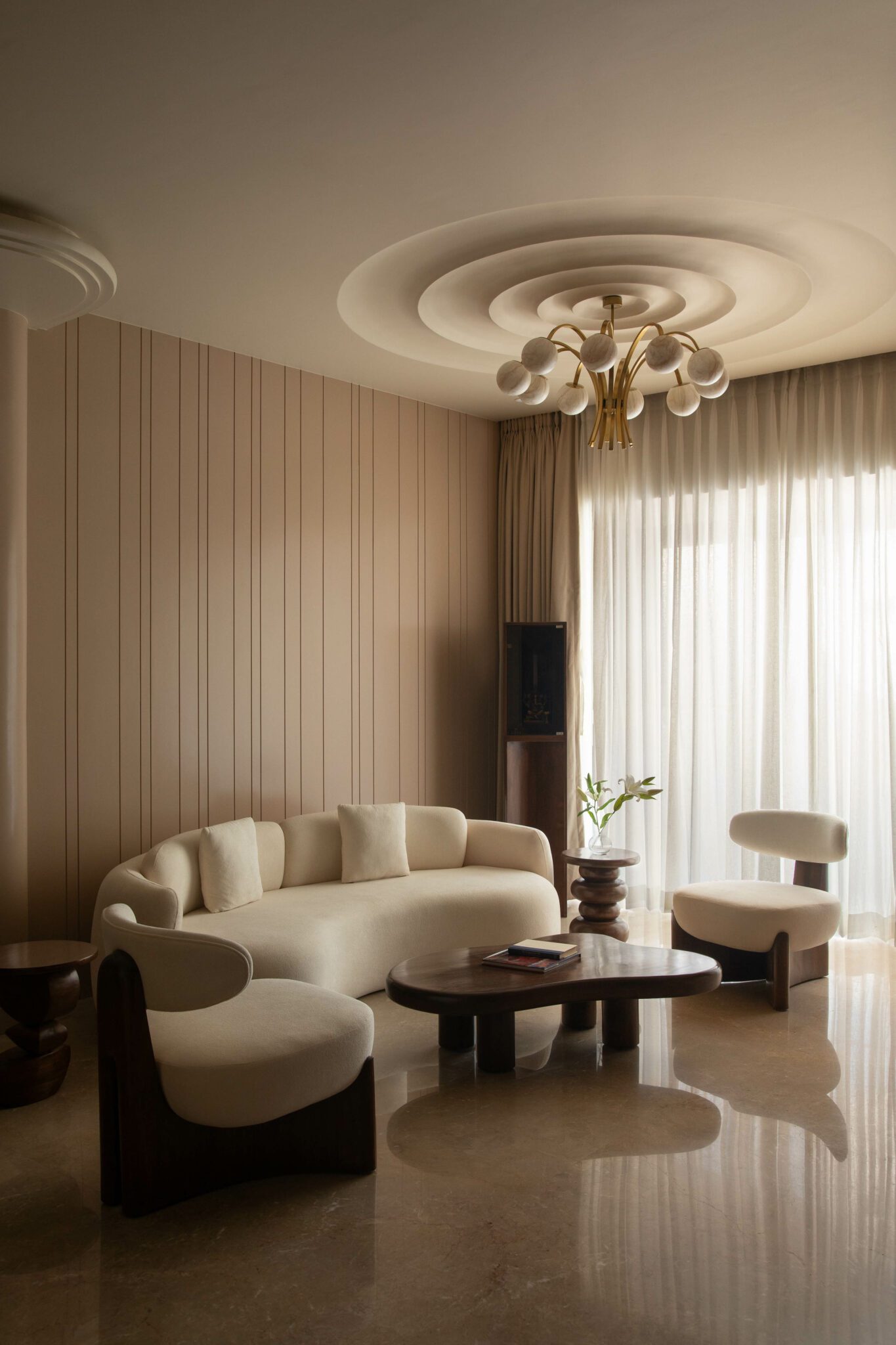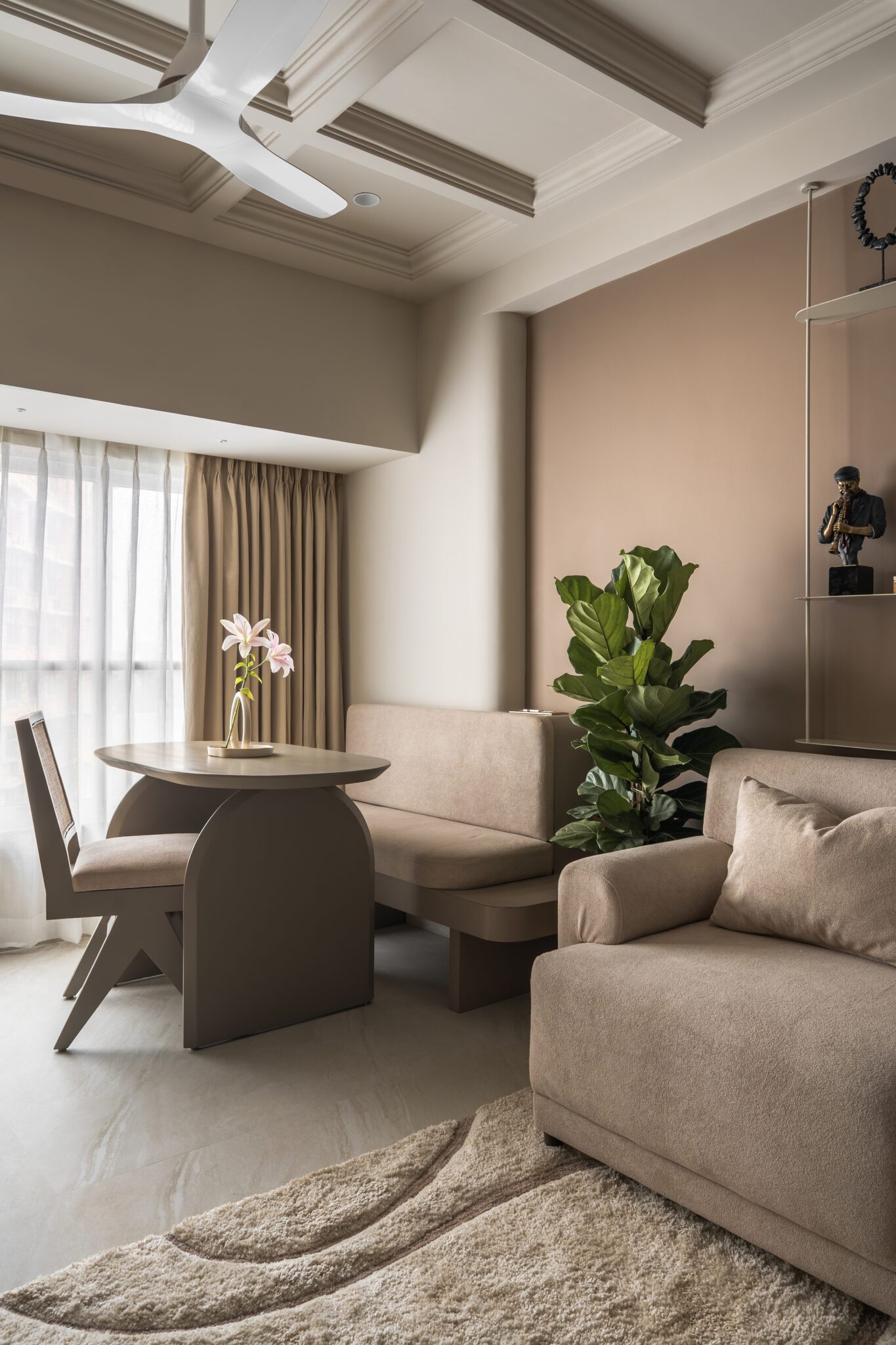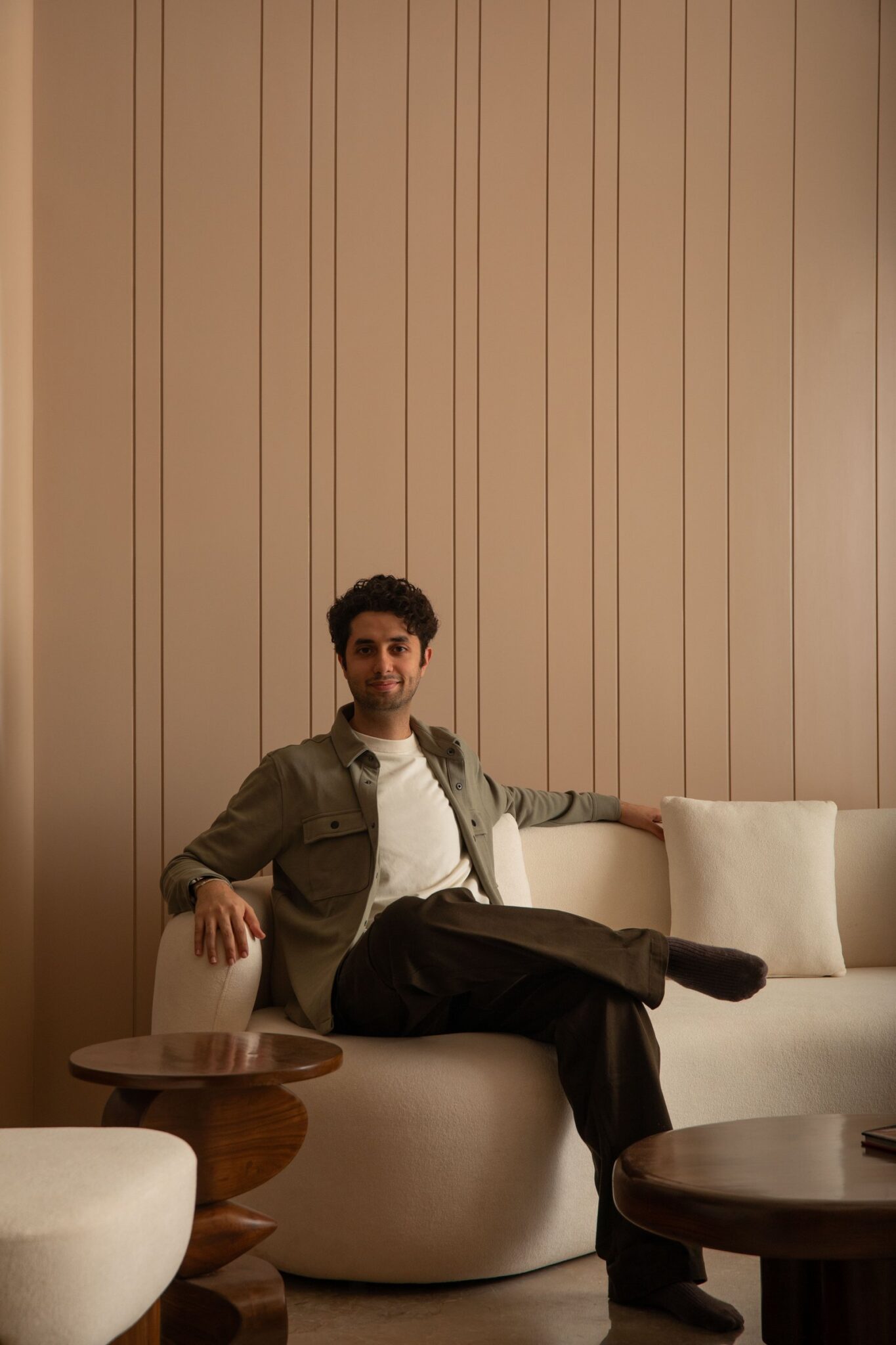
For Hormuzd Katrak, the strongest spaces are not the ones that announce themselves. They are the ones that reveal themselves slowly, that age with their inhabitants, that hold an emotional charge long after the visual novelty has worn off. His work resists the urgency of trend and the seduction of scale, choosing instead the quieter argument of proportion, light, and material restraint.
That position did not arrive fully formed. It was earned through a journey that began, improbably, in aviation, and shifted course through architectural school, a transformative trip through Sri Lanka, and a small residential project that taught him to trust his own eye. Today, his studio – Studio Homzstead – designs homes that are calm, layered, and emotionally intelligent, the kind of spaces that ask nothing of their occupants except to be lived in.
Design Philosophy
Architecture was not Katrak’s first ambition. He grew up in a family deeply connected to aviation and imagined himself becoming a pilot, a possibility that shaped his early years before another instinct quietly asserted itself. He had always been drawn to drawing, to interiors, to the way certain environments made him feel, without recognising those impulses as the beginnings of a design sensibility.
The shift came at NMIMS Balwant Sheth School of Architecture, where the discipline began to settle into something he understood as his own. But the deeper recalibration came outside the classroom, on a college trip to Sri Lanka that introduced him to the work of Geoffrey Bawa. Bawa’s spaces – their tropical modernism, their emotional atmosphere, their restraint – opened up a way of thinking about architecture that was sensory rather than visual, layered rather than declarative.
That trip continues to inform his vocabulary. The studios and designers he returns to most often – Byram Wadia, Vincent Van Duysen, Studio MK27, Patterson Associates, and Bedmar & Shi – share a particular discipline, an unwillingness to overdesign. What he describes as their composed, emotionally intelligent register is the same register his own work moves toward.
His philosophy, distilled, is one of intentional immersion. “I’m interested in creating homes that people genuinely enjoy spending time in – spaces that feel effortless to live in and visually composed without trying too hard. I don’t believe good design needs to constantly demand attention. Sometimes the strongest spaces are the ones that reveal themselves slowly over time,” he says.
That conviction shapes every scale of decision. Proportion, balance, usability, and cohesion are the constants, and editing – knowing when to stop – matters as much as composition. Emotional experience, he argues, sits at the centre of everything; a space may photograph beautifully, but if it does not feel right to live in daily, it loses meaning over time.
Process & Practice
Katrak’s process begins not with a brief but with an observation. Before he draws a single layout, he wants to understand how the client actually lives – their routines, the way they move through a room, where they instinctively settle, even something as personal as the height of their bed. These behavioural details, gathered in early conversations and sustained through the project, shape the design more decisively than any aesthetic reference.
From there, layouts, material palettes, detailing, and lighting are developed in parallel rather than as separate layers. The integration matters: a junction detail, a finish, the way light enters a room at a particular hour – each is calibrated against the larger experience of the home. He spends a significant amount of time on site, because execution is where design either resolves itself or comes apart, and he prefers to be present for the decisions that get made in real time.
The Emotional Reading of Space
Personalisation, in his view, comes from observation more than assumption. Some clients want calmness and retreat; others connect emotionally to stimulation and visual expression. Some need openness; others find comfort in intimacy and layered enclosure.
“At the end of the day, I’m not designing homes for magazines, I’m designing homes people will emotionally grow with for years,” he says.
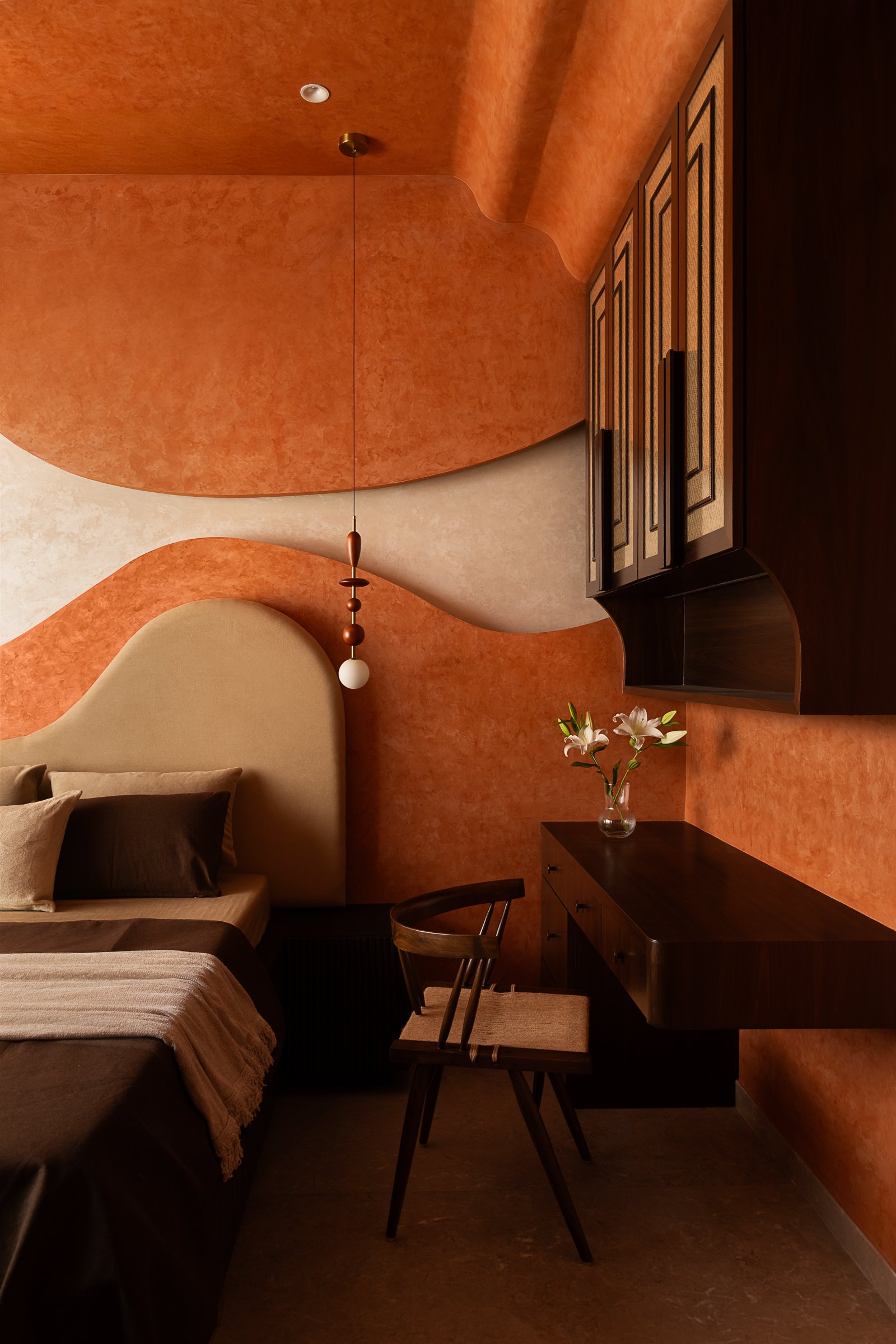
Materials and lighting are the studio’s most consistent signatures. Warmer materials, textured surfaces, wood, stone, stucco finishes, and layered textures appear across the practice because they carry emotional weight in ways harder finishes do not. Lighting, in particular, is treated as architecture rather than fixture – integrated within ceilings, walls, furniture, and niches to build atmosphere rather than illumination. He is wary of overly bright homes; ambient and dimmable lighting, he believes, shapes mood and memory more than people typically realise.
Collaboration sits alongside this. Execution teams, consultants, artisans, and contractors all contribute to bringing a project to life, and Katrak considers their input integral to the outcome. At the same time, he stays deeply involved through execution because details, proportions, and atmosphere often evolve continuously on site, and that evolution is where the emotional reading of the space ultimately gets resolved.
Project Highlights
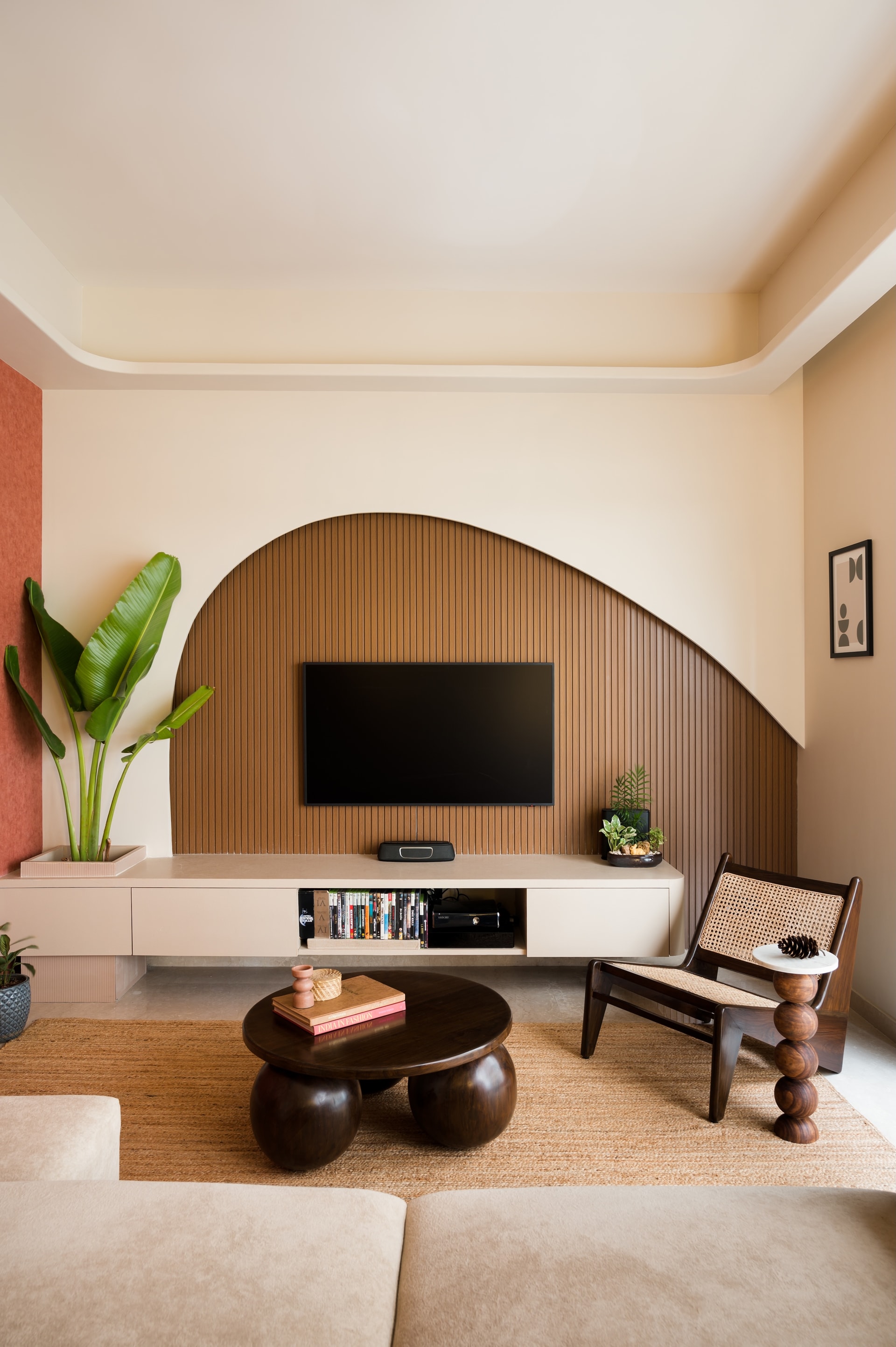
Two projects sit at the centre of Katrak’s understanding of his own practice. The first is Mokuzai Home, a small two-bedroom residence that he describes as the turning point in his design language. The clients trusted him completely, and that trust gave him the room to explore softer forms, curves, warm materials, layered textures, and ambient lighting in a way he had not committed to before. The project taught him that strong design does not require complexity or scale – that a space becomes memorable when proportions, finishes, lighting, and flow are simply resolved properly.
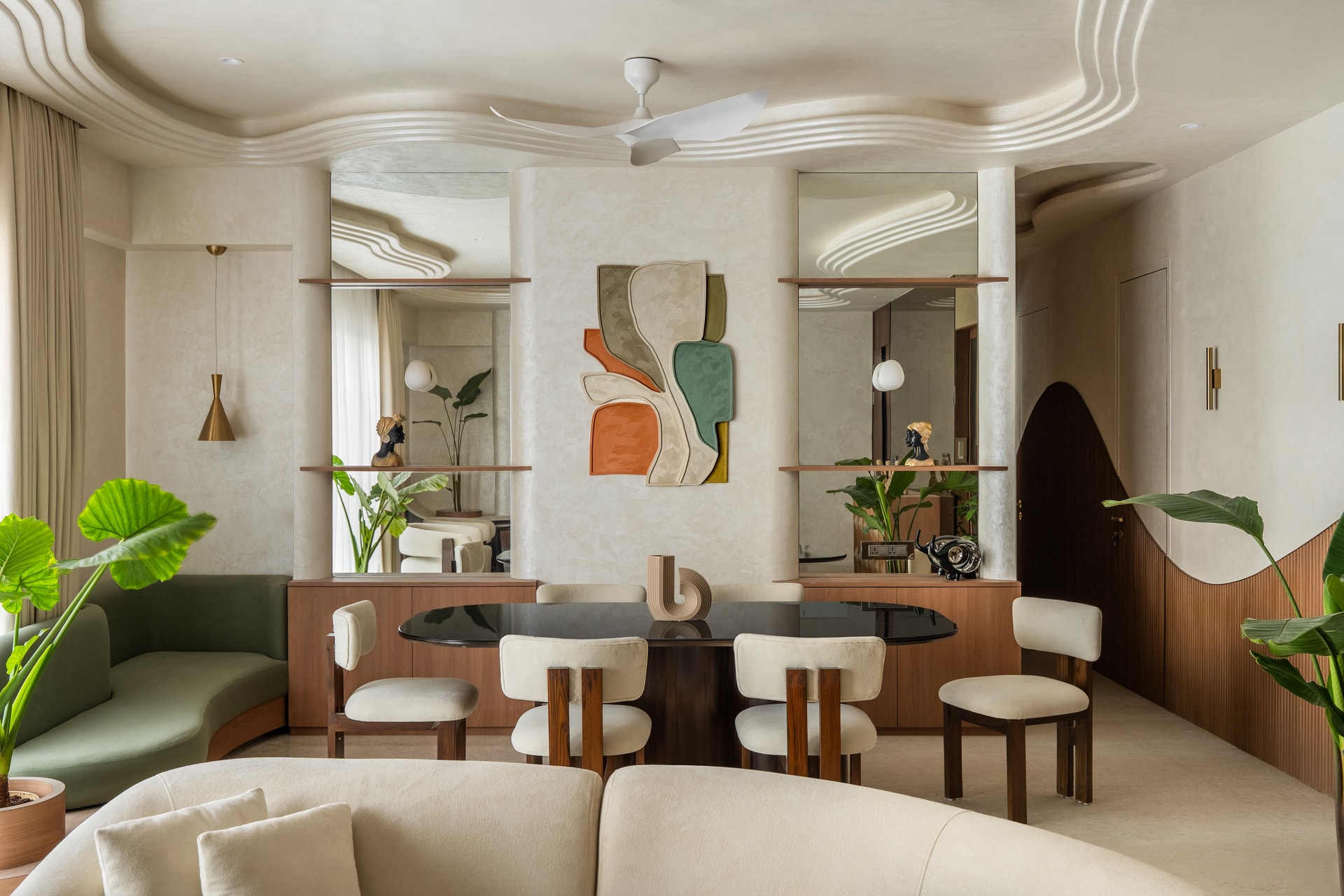
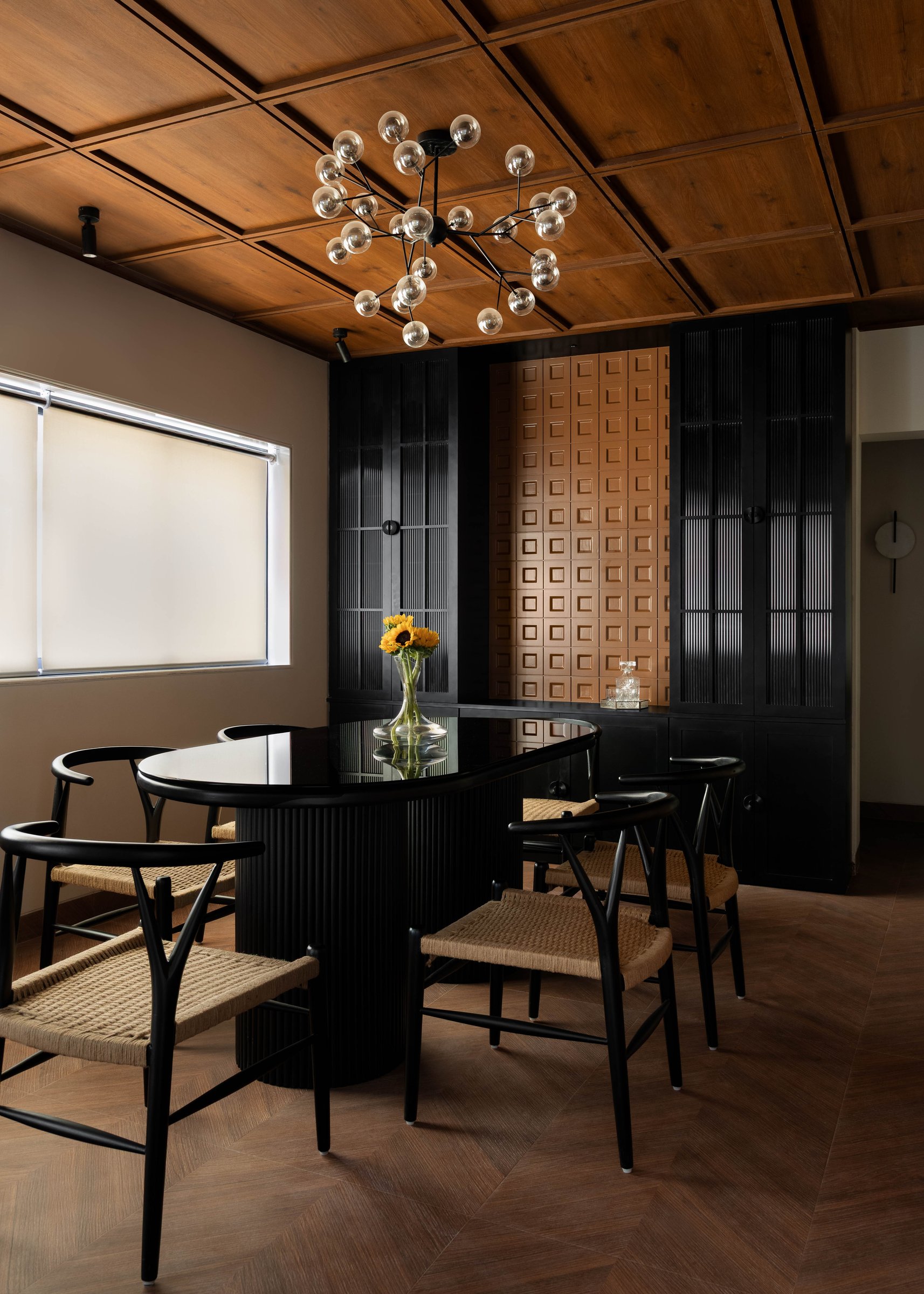
The second is The East 72° Residence, a more recent project the studio is particularly proud of. The clients were based in San Francisco for most of the design and construction period and gave Katrak a rare degree of creative trust from the beginning. That trust allowed the home to evolve organically, and the project pushed him to think more deeply about proportion, materiality, and detailing as part of a complete experience rather than a sequence of individual moments.
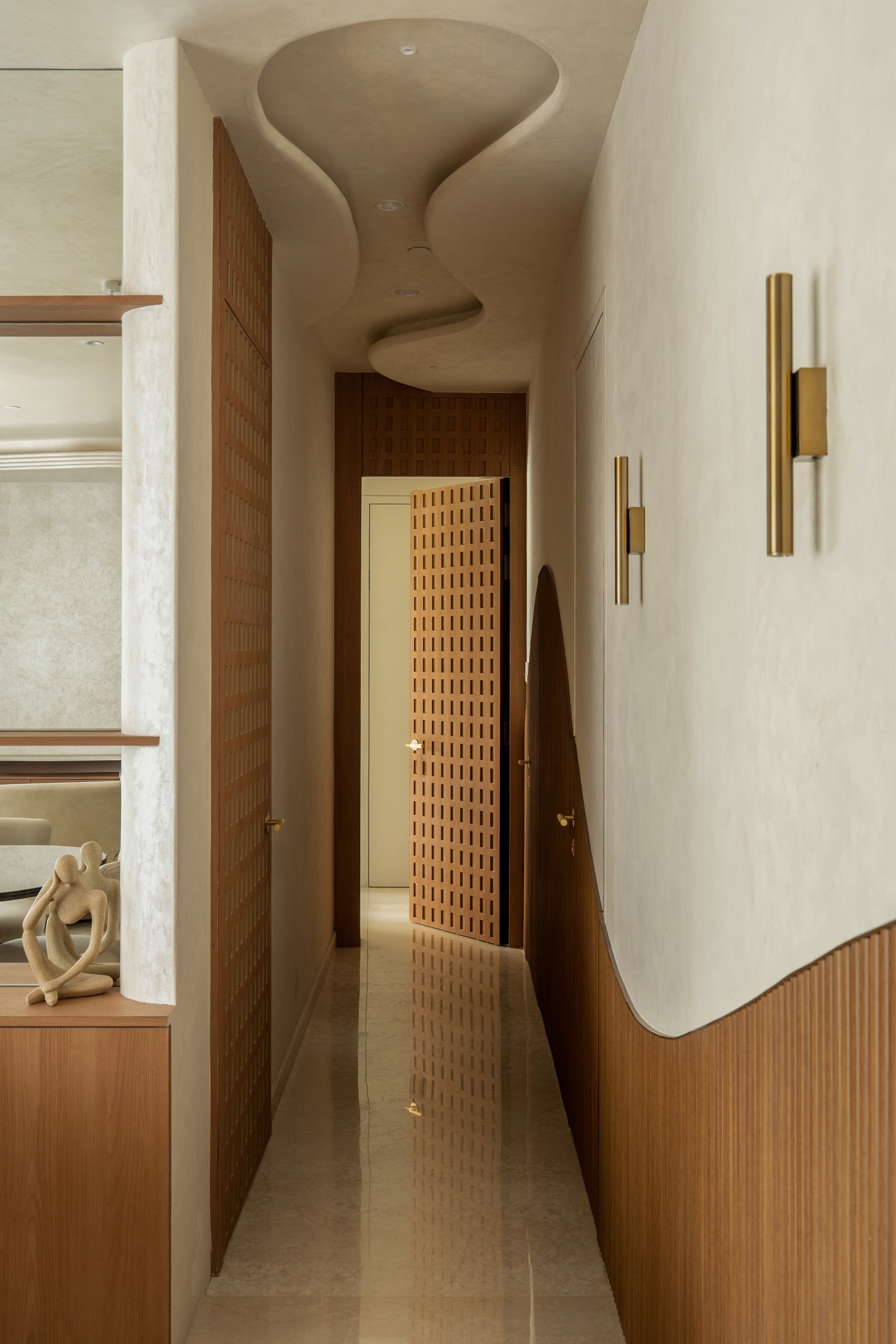
Both projects share a particular tension that he identifies as the central technical challenge of his work: maintaining emotional warmth while ensuring practicality and precision. Beautiful spaces still have to function effortlessly in everyday life, and the details that read as quiet and simple are often the most intricate to execute – curves, concealed lighting, softer edges, layered material transitions. Resolving them well is what allows a space to feel composed rather than effortful.
“That project made me realize that strong design doesn’t necessarily come from complexity or scale. Sometimes a space becomes memorable simply because everything feels resolved properly – the proportions, the finishes, the lighting, the flow,” he says of Mokuzai Home. The realisation, he adds, changed the direction of his work completely.
What sits underneath both projects is a conviction that good design is quieter than people expect. Impact, he has come to believe, does not come from scale or visual drama; it comes from precision, consistency, and how thoughtfully a space has been put together. The smallest decisions are usually the ones people end up living with the longest.
Emotional Longevity as Sustainability
Sustainability, for Katrak, is a longer conversation than the one usually attached to material specification. He frames it in terms of emotional longevity; if a client still emotionally connects with their home twenty years later, that itself is sustainability in many ways. Spaces that age gracefully, that resist becoming trend-dependent, that hold their relevance across decades, are sustainable in a register that goes beyond the technical.
Material honesty, timeless palettes, durability, adaptability, and considered lighting all contribute toward this longer lifespan. He is encouraged by the shift he sees in clients, who are noticeably more aware and curious today about healthier, longer-lasting materials and better environmental choices, though he believes sustainability lands most successfully when it integrates naturally into lifestyle rather than feeling imposed.
Longevity, more broadly, comes from clarity. When the foundation of a home is designed well, then proportion, circulation, material selection, lighting, storage – the space remains relevant for much longer. He consciously avoids making homes feel overly themed or visually dependent on a particular trend, because those are usually the spaces people outgrow the fastest.
The Next Chapter for Studio Homzstead
The studio itself is moving into a more expansive phase. Currently working on its largest private residence yet, a four-bedroom home, the practice is also designing a café and a large-scale office space – typologies that demand different languages and different ways of experiencing the space, and that Katrak is genuinely interested in exploring. The longer arc is clearer still: he wants Studio Homzstead to expand into architecture, larger residential work, and eventually boutique hospitality – especially tropical modern hotels and emotionally immersive spaces.
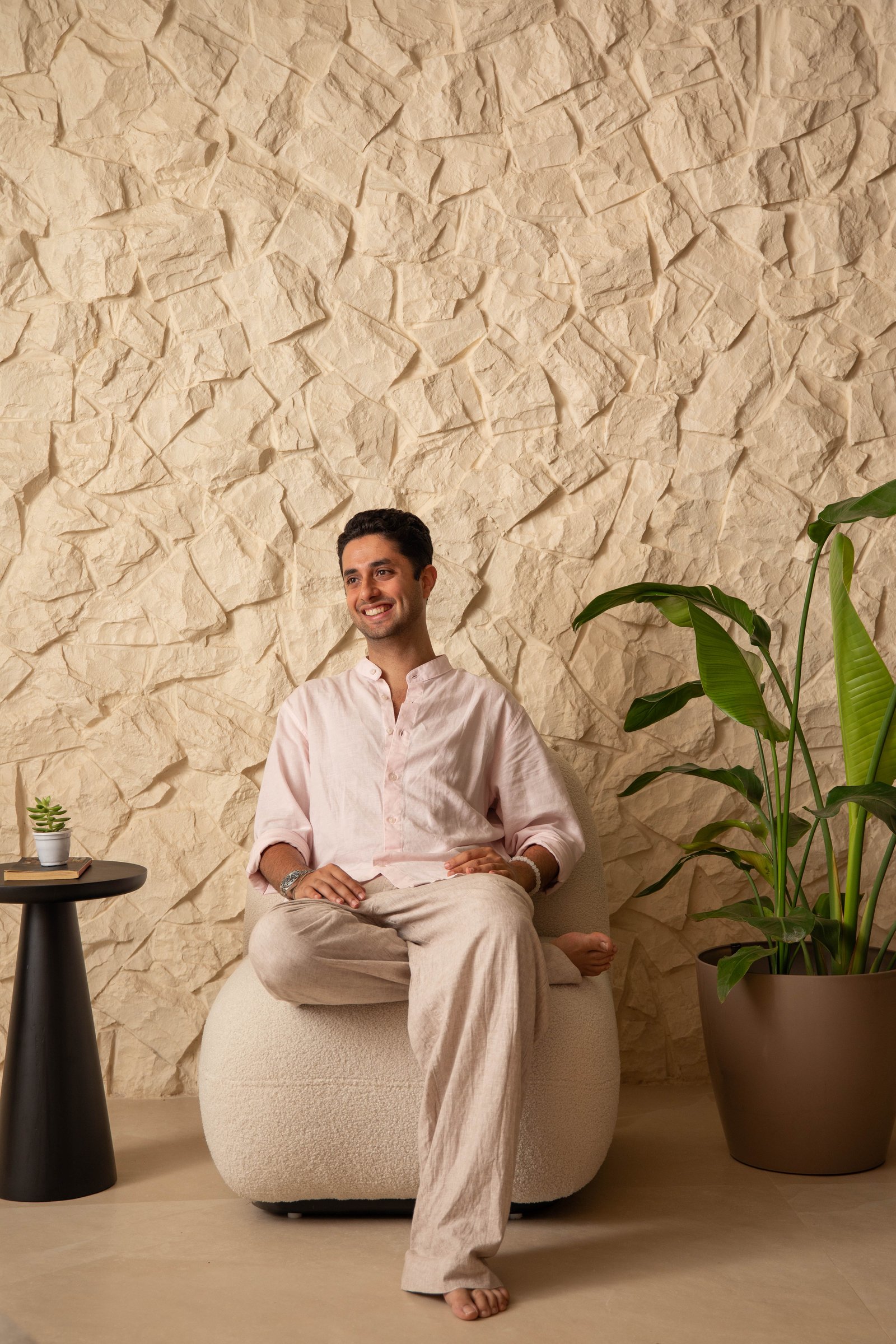
On Craft, Presence, and Honest Design
Katrak’s counsel to younger designers is grounded and practical. Don’t chase trends too early. Focus instead on understanding space, light, materials, emotion, and how people actually live. Social media has its uses, but it should never become the reason a space gets designed. A genuinely good space, he believes, will always speak for itself over time.
And spend time on site. Execution, in his experience, teaches things no classroom can – the realities of craftsmanship, the constraints of site conditions, the unpredictable evolution of detail. Much of what he understands about design today was learned by being physically present while it was being built.
Success, on his current terms, has shifted away from recognition or scale. It means creating homes that genuinely improve how people feel and live daily; clients emotionally connecting with their spaces years later; building work that feels honest to his own instincts rather than constantly chasing validation. The metric is internal, and it is durable.
Designing Spaces That Endure Emotionally
His closing thought returns to the larger cultural moment. Design no longer lives only in architecture or interiors; it exists in fashion, technology, branding, cinema, in the way everyday life is consumed. People are developing stronger opinions and higher expectations of the spaces they inhabit, and the challenge for designers is no longer just visual appeal – it is whether a space can be genuinely connected with over time.
“I’d like the work to be remembered for its honesty and individuality. I never want projects to feel interchangeable or designed purely to fit a trend cycle,” he says. “If people can walk into a space years later and still feel like it belongs uniquely to them, I think that’s the best outcome a designer can hope for.”
Editor’s Note
What separated this conversation from a typical practice profile was a distinction Katrak draws with quiet conviction: sustainability, for him, is less about material specification and more about emotional longevity. A home is sustainable when its inhabitants still feel something for it twenty years later. It is a definition that reframes longevity around the discipline he has quietly built his studio upon – restraint, proportion, atmosphere, and the long view.
Studio Homzstead’s next chapter widens the lens. The practice is currently working on its largest private residence to date alongside a café and a large-scale office space, while Katrak speaks openly about an eventual move into boutique hospitality, particularly tropical modern hotels. For a studio that has built its language around quiet residential interiors, those are typologies worth watching.
You can follow Hormuzd’s work at @hormuzdkatrak, or see more from the studio at @studio_homzstead.